





















































Have you ever noticed that the cooler weather can naturally make us feel unmotivated & even disconnected from our everyday life? Something commonly known as the winter blues actually has a real name, known as Seasonal Depression, and even some ways to combat it! As we welcome fall and feel the seasons change through things like the air, color, and what feels like the everlasting light of the sun, it is important to find your balance through these darker months. When you walk around campus these days, in what feels like the dreaded trek through the North Pole from our warm rooms, it can easily be turned into a beautiful, conscious awareness activity in our everyday lives.
While the sun enters a state of hibernation during the winter months, our bodies physically undergo many changes. What can be triggered by lack of sunlight, time change, or even a disruption in our body’s biological internal clock, seasonal depression is one of the most commonly faced mental health issues diagnosed in young adults aged 18-30. In the winter, it is naturally easy to stay stuck inside on the shorter gloomy days, but this can cause a literal imbalance in many of our body’s essential functions, such as our sleep cycle, certain hormone production, appetite, and energy.
-
Wild Golden Poisonous Fly Argic Fungi

-
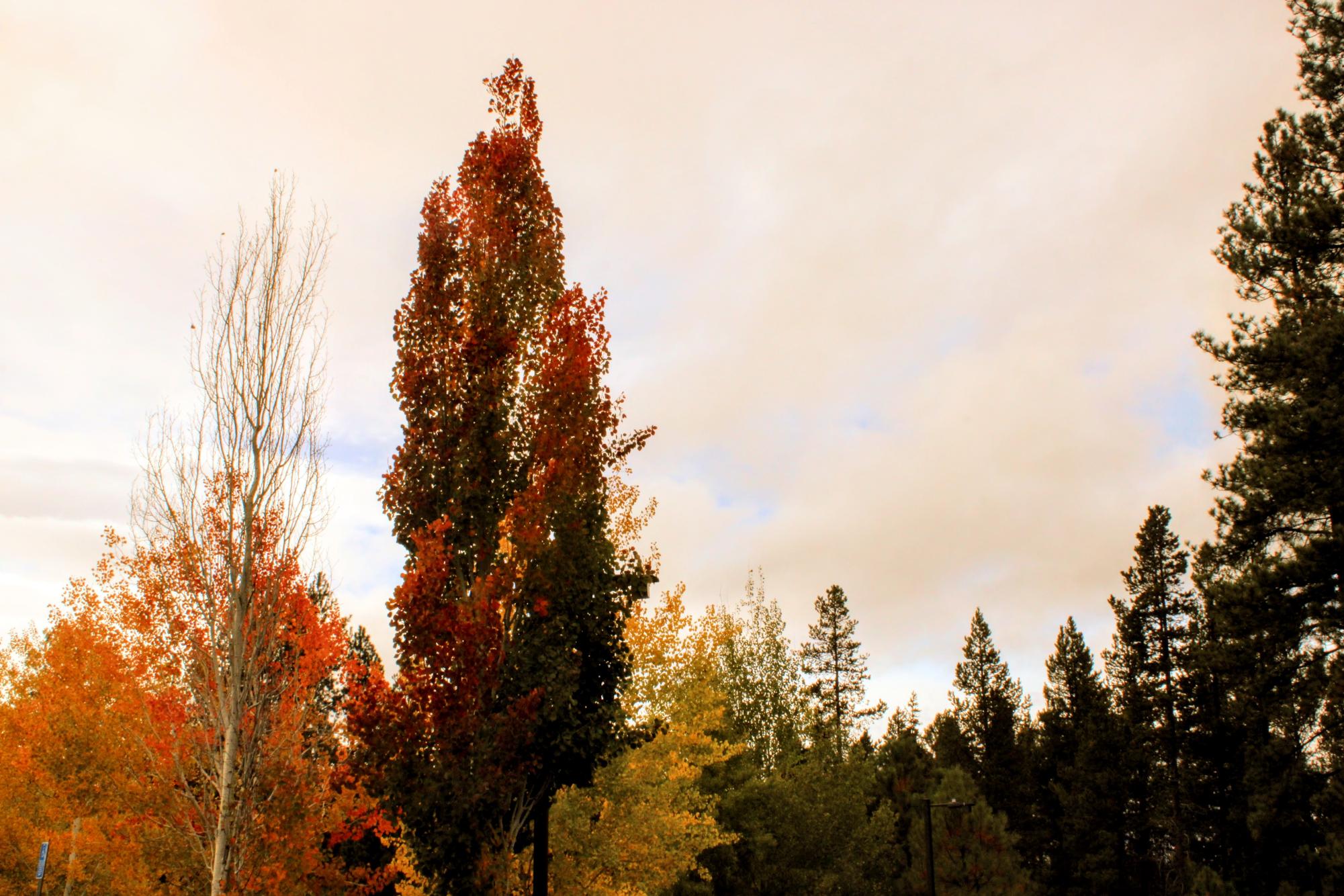
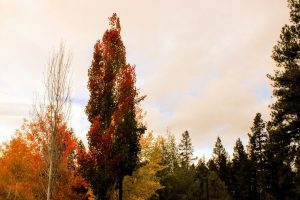
Bright colors paint our tall trees as we welcome Fall!
-
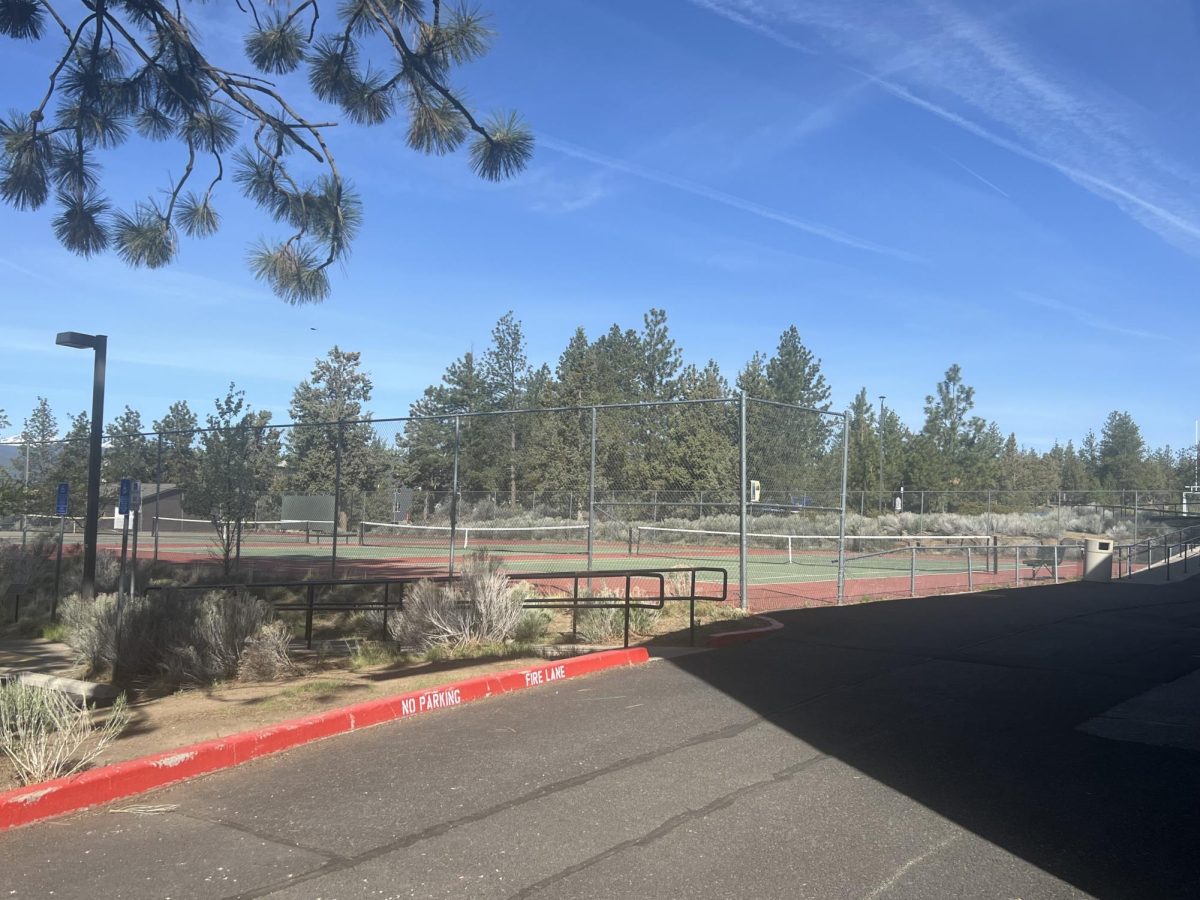
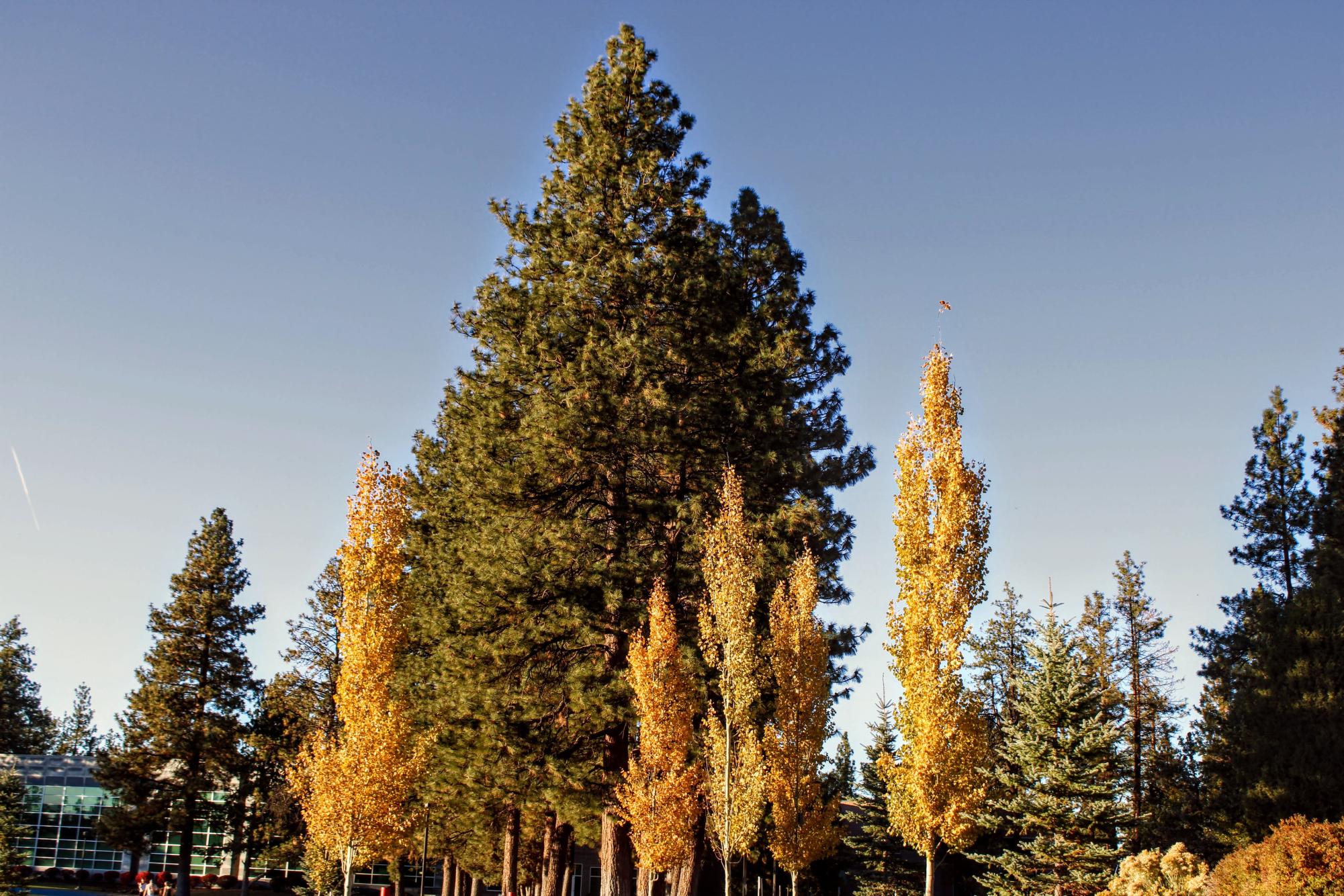
Golden hour at COCC’s track.

-
Fall Colors at Barber Library
-
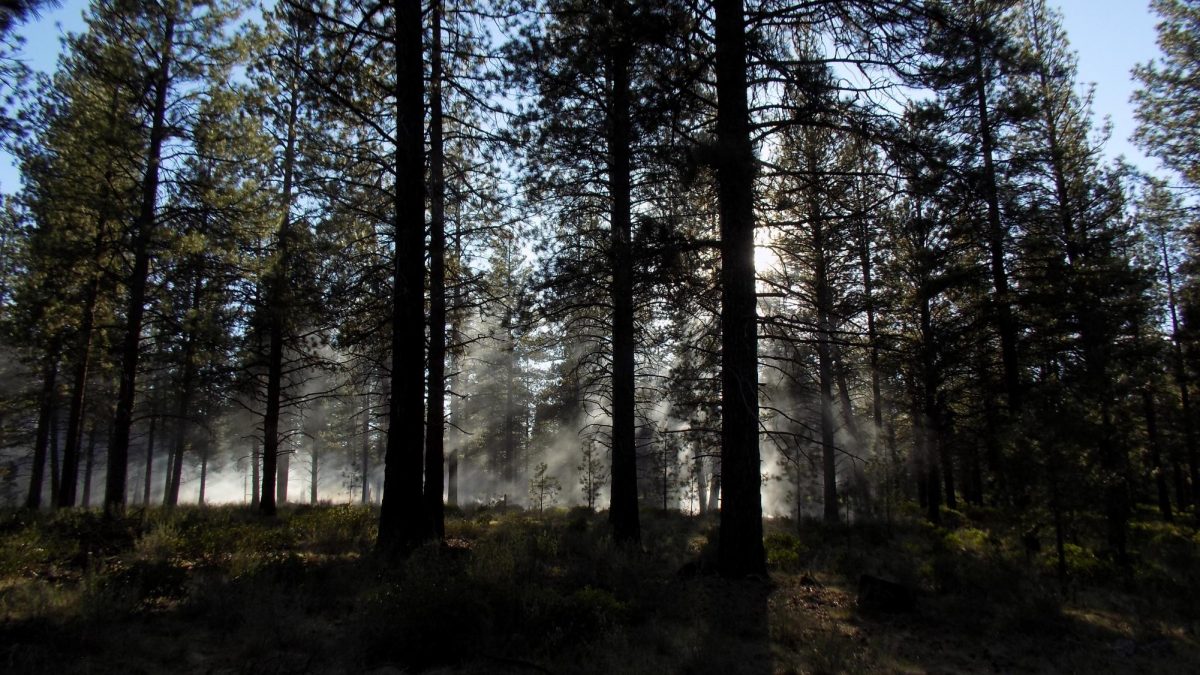
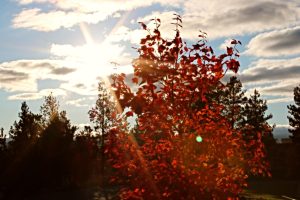
Fiery orange hues of the sun peek through the leaves.
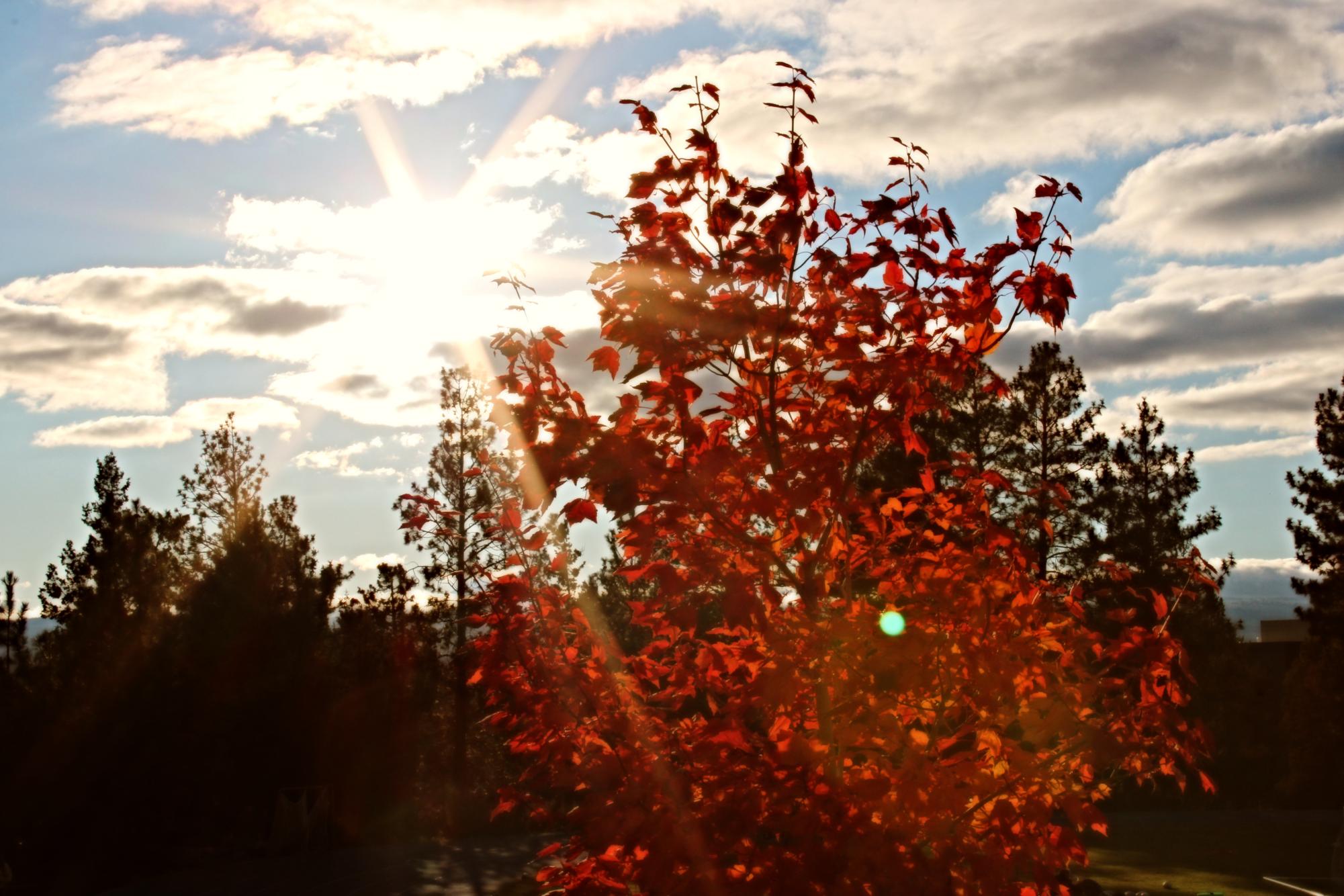
-
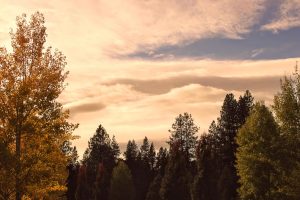
Orange shimmering clouds through our sky.
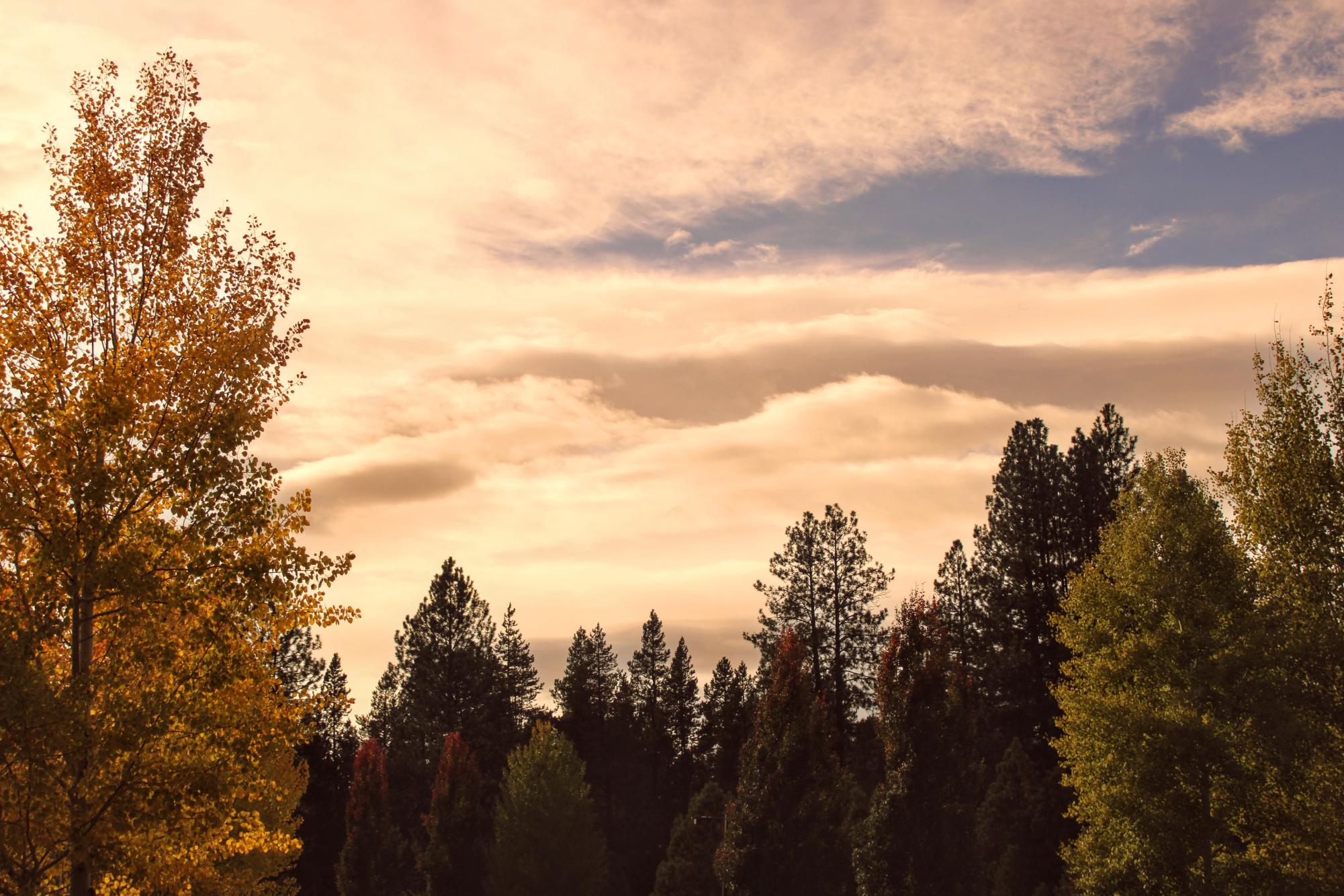
-
Fall colors burst at Drake Park Bridge.

-
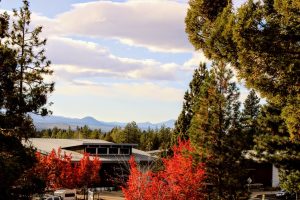
Cascades peeking through our track’s trees.
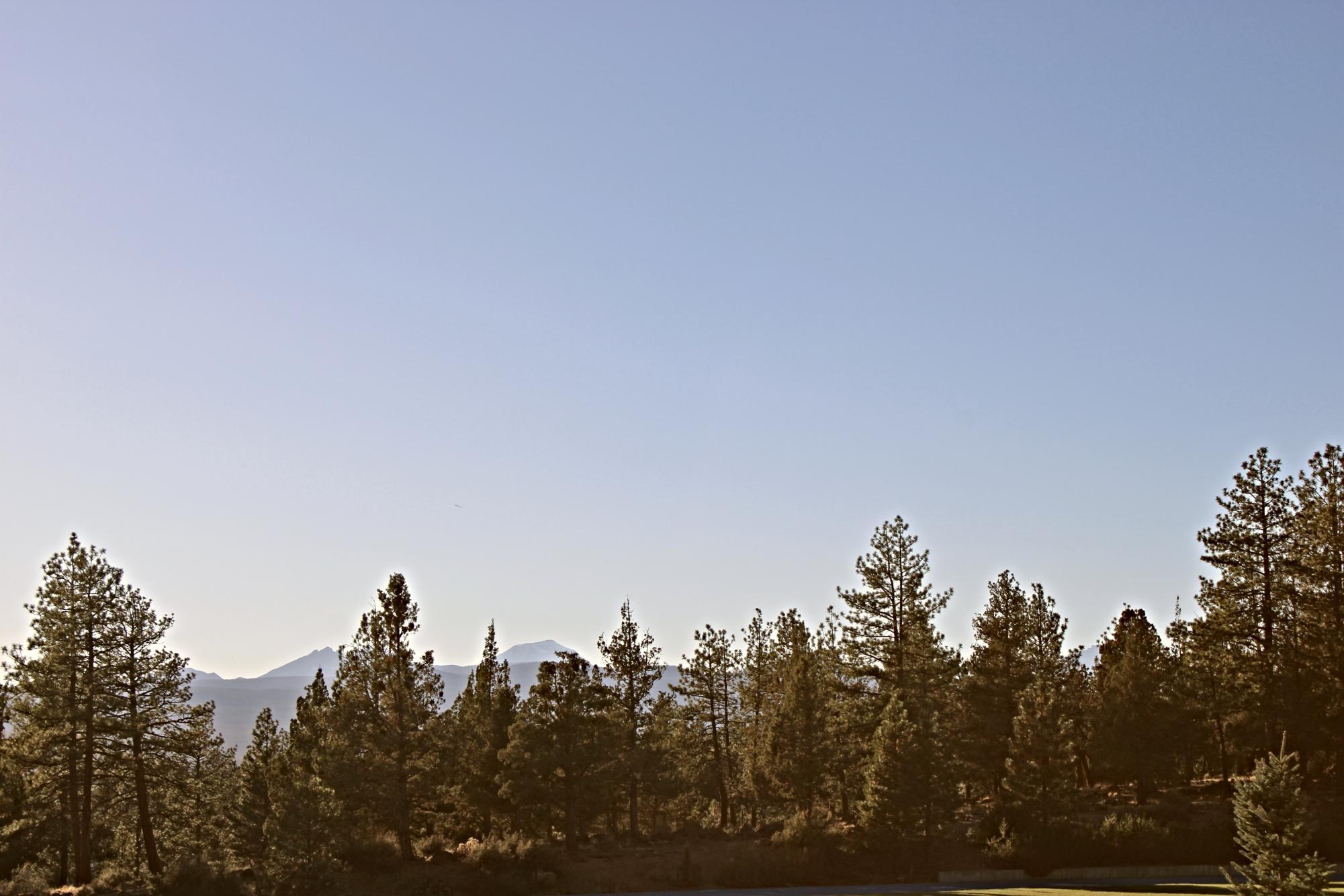
-
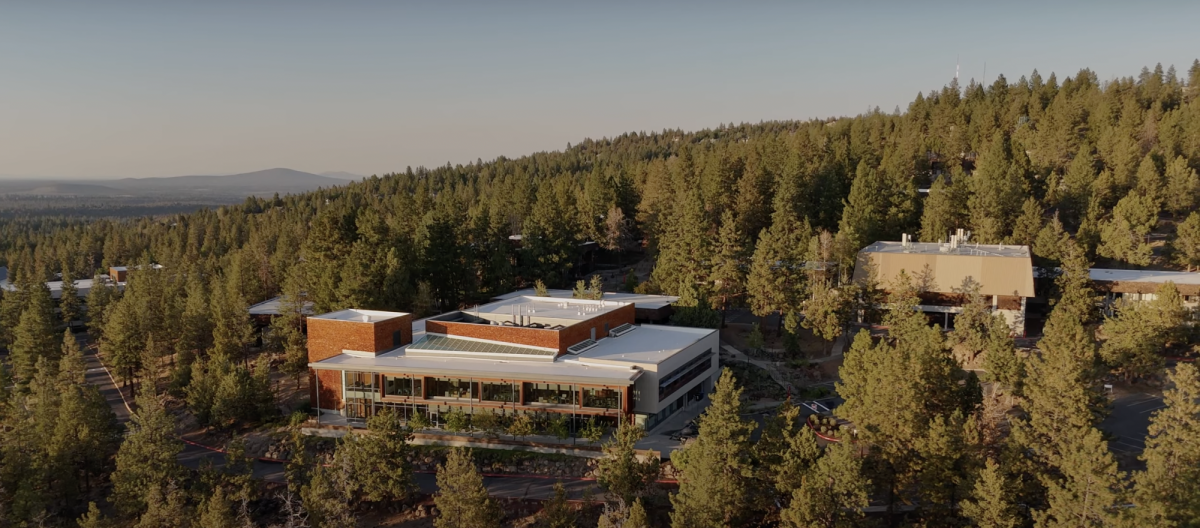
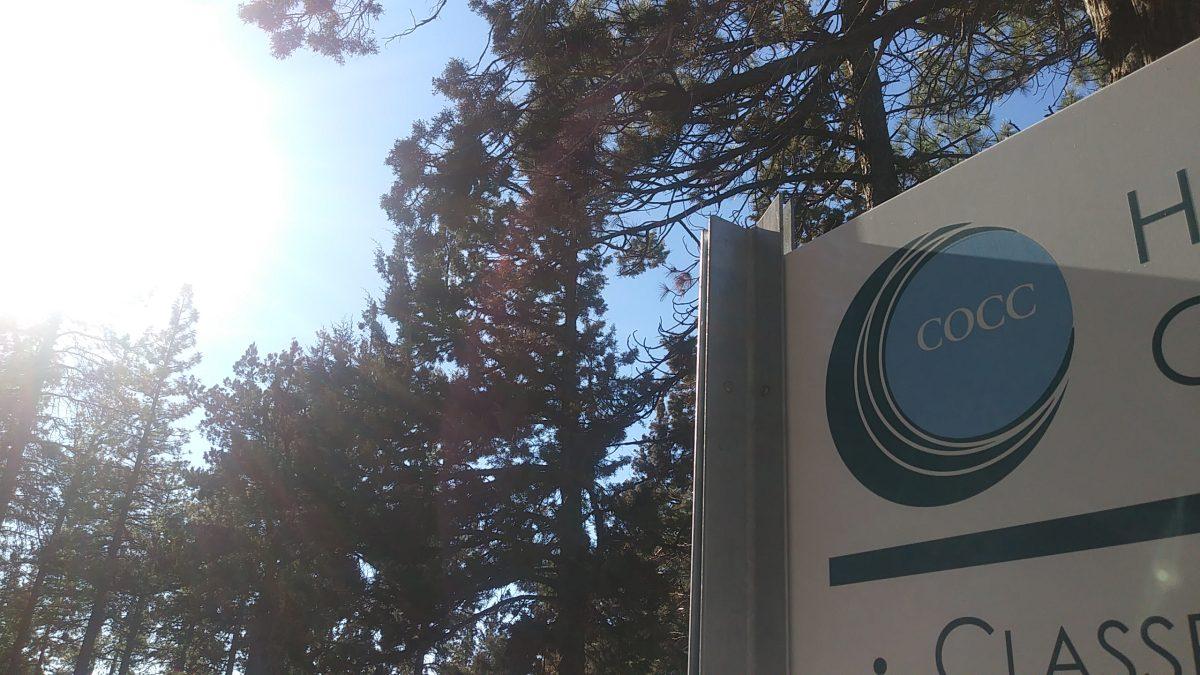
COCC’s Coats Campus
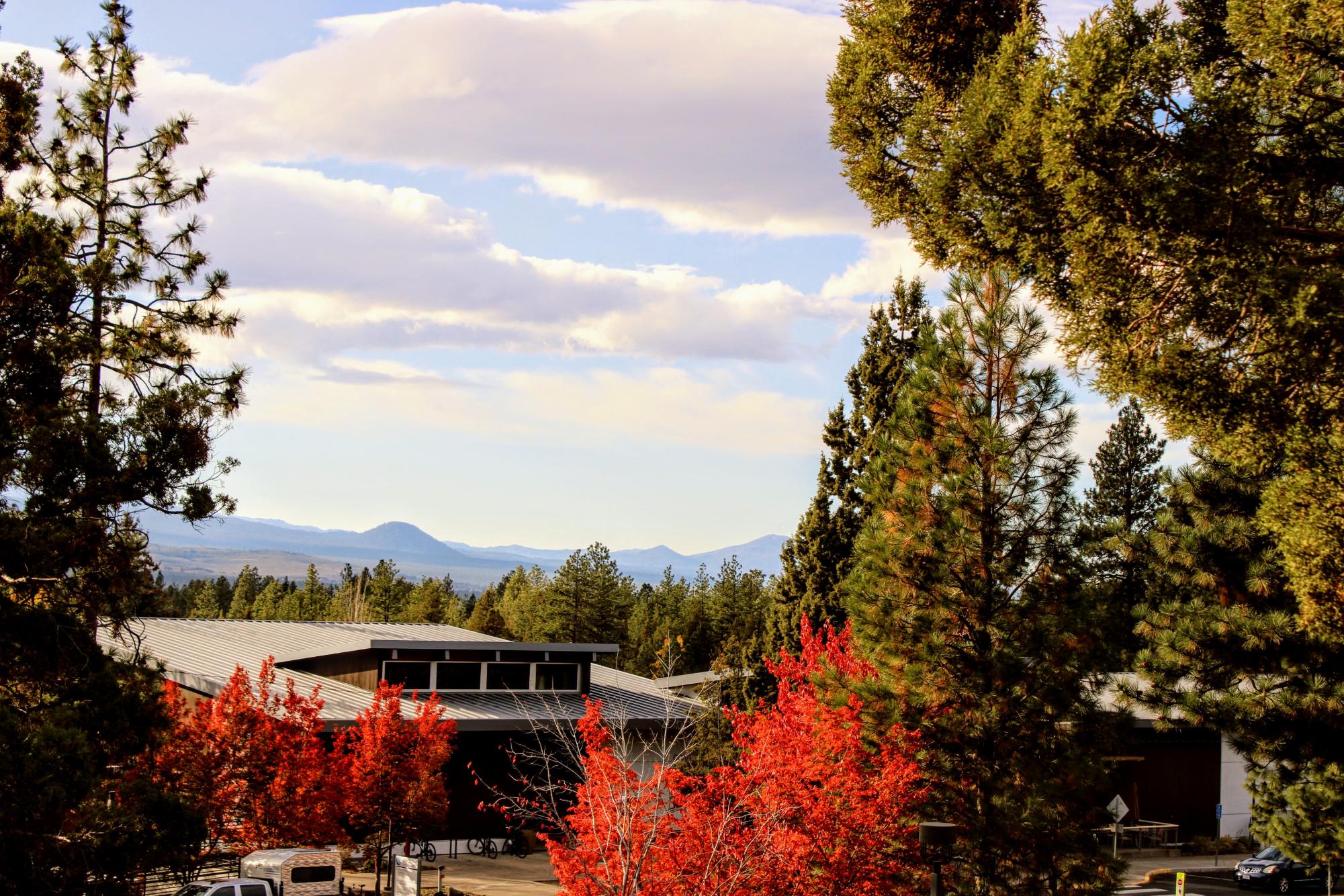
-
Forest deer friends walking through campus.







The winter months can even impact things like changing our brain chemistry. How is this? Because of the fewer hours of daylight in the winter, our bodies reduce the production of hormones such as serotonin, a neurotransmitter that plays a big role in mood regulation. In turn, increased darkness can also lead to higher production levels of melatonin, our sleep regulation hormone. So of course, higher levels of melatonin can result in triggered feelings of fatigue and mental exhaustion over longer periods of time.
Interestingly enough, the rate of seasonal depression is approximately a 10% increase in the U.S, with states in northern regions experiencing higher rates than geographically southern states. This is because sunlight is so crucial to our bodies’ Vitamin D production, which changes & affects our “feel good” hormone levels. What we call our bodies circadian rhythm, which is a natural 24-hour cycle our bodies undergo every day that regulates various physiological & behavioural processes in our bodies, is also synchronized to sunlight.
From staying inside & watching your favorite fall movies, making home-pressed cider with your closest friends, to even taking that brave polar plunge in the raw, icy river; Many people would inherently assume these things to be mindless memories of our lives, but in actuality, these experiences can have many benefits for staying present in our mental health & moment.


elizabeth lalonde | Nov 20, 2025 at 9:49 am
Loved this very informative article!
I bravely walk my dog in these cloudy, rainy days and as I do I Thank my Lord, Jesus Christ, for another day to enjoy the beautiful painted landscape. Great opportunity for meditation! Enjoy