




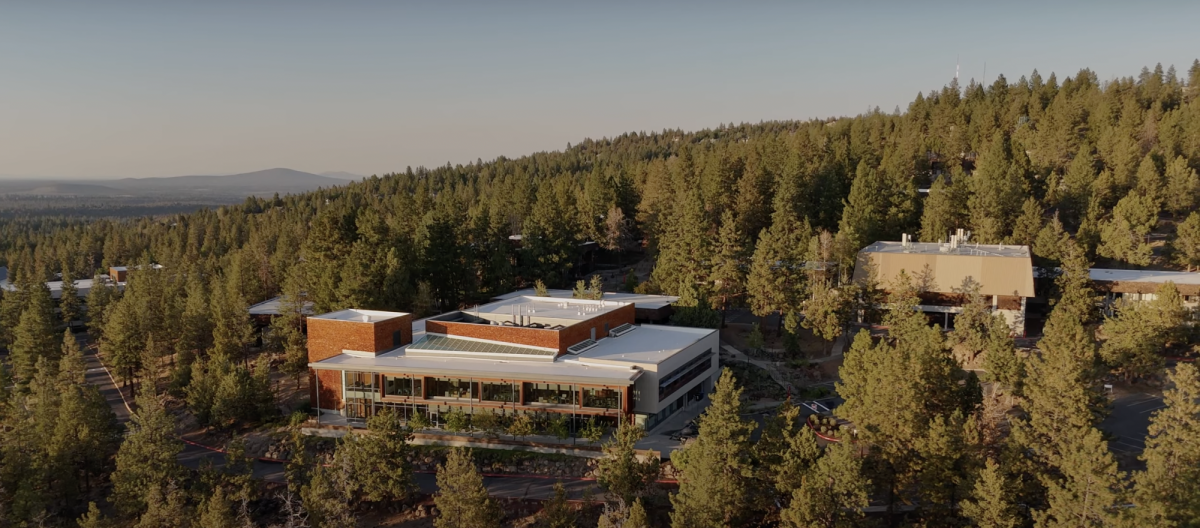















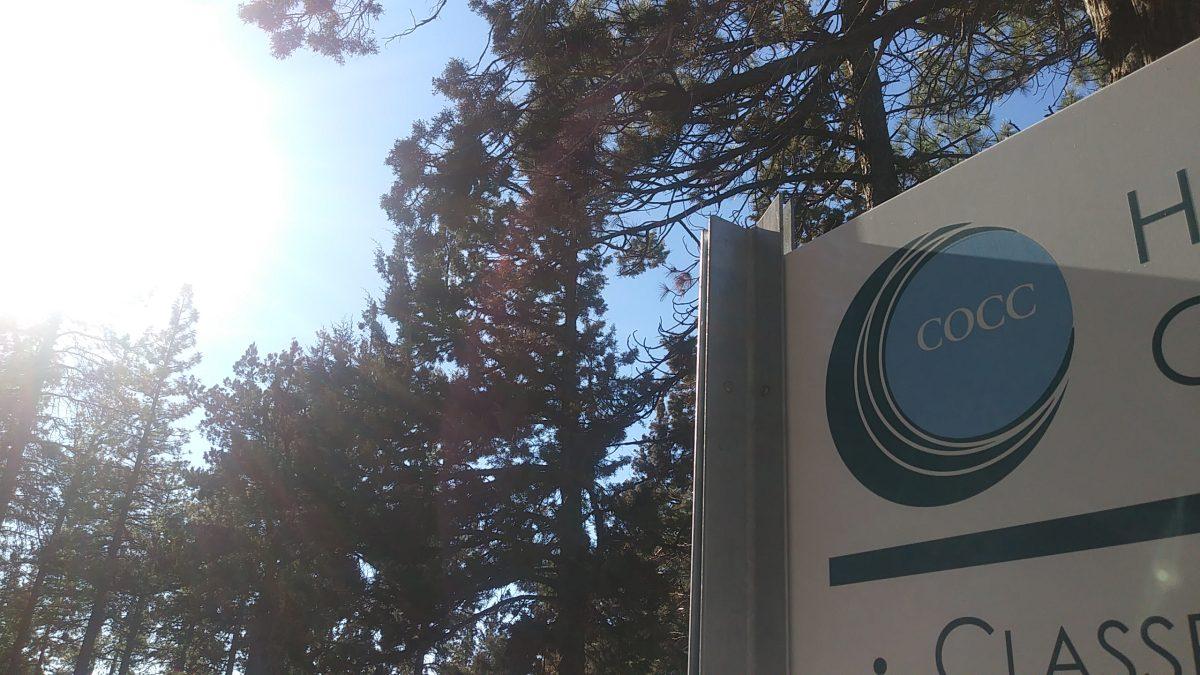






















Stepping in the doors of Central Oregon Community College I was nine months seizure free and wildly ambitious. As a triple-major fascinated by healthcare, I had every intention of becoming a pediatric nurse like the ones that helped me when I was a child. I was naive but cautiously optimistic; scared but hopeful. I had dreams; dreams that got squashed when I became reliant on IV nutrition, got a brain injury, and ended up needing to take two terms off from school.
The truth is, there was no map for students like me. There was no one telling me that Student Accessibility Services existed in community colleges or guiding me through weekly appointments while being a full-time student. I had to navigate a world not meant for people like me, seeking out my own opportunities in the midst of central lines, feeding tubes, and life-altering diagnoses. I was driven by spite, determined to be more than the poor little kid who got sick. At the end of the day though, I had to work ten times harder to get the same results as healthy people.
Lecture halls were not just lecture halls, they were massive challenges for my body. Getting in the room meant walking, pushing my heart rate into the 180s, and sitting down meant pain from my slipped disk. There was not a moment in class that I was not in pain, and not a moment that I was doing work where I was not altered by the effects of my chronic illnesses.
The thing is, when I grew up being told that I would not accomplish the same goals as my healthy counterparts, it only pushed me harder to reach those goals; to build an app, to write for the newspaper, and to dream beyond what I thought was possible. Coming to college was a pivotal part of that journey.
In my first term I decided to kick the feeling of being inadequate to the curb. By the second term I had a website, and by the third I was prototyping an app for pediatric energy pacing. These dreams were made possible by the accommodations I was granted through student accessibility services, and by my belief that anything was possible.
Miranda Brooks, assistant director of the student accessibility services at Central Oregon Community College said, “We try to basically give access to anyone we can around education and classes. So that goes all the way from physical needs of just getting a shuttle… to actually having a digital recorder play on your things in Canvas… Making a playing field fair to all students because other people don’t have to deal with those barriers.”
While there may not be a map for students like me, there are resources at Central Oregon Community College. Student Accessibility Services, located in the basement of the Barber Library, welcomes all students taking even one credit. SAS encourages students to reach out and see if they qualify for accommodations.
At the end of the day, the hidden truth about being a disabled college student is that the playing field may not be leveled, but passion can be. Dreams can be made possible, maps can be made, and ambition can be satisfied. It all starts with accessibility; a promise, not a question.
