




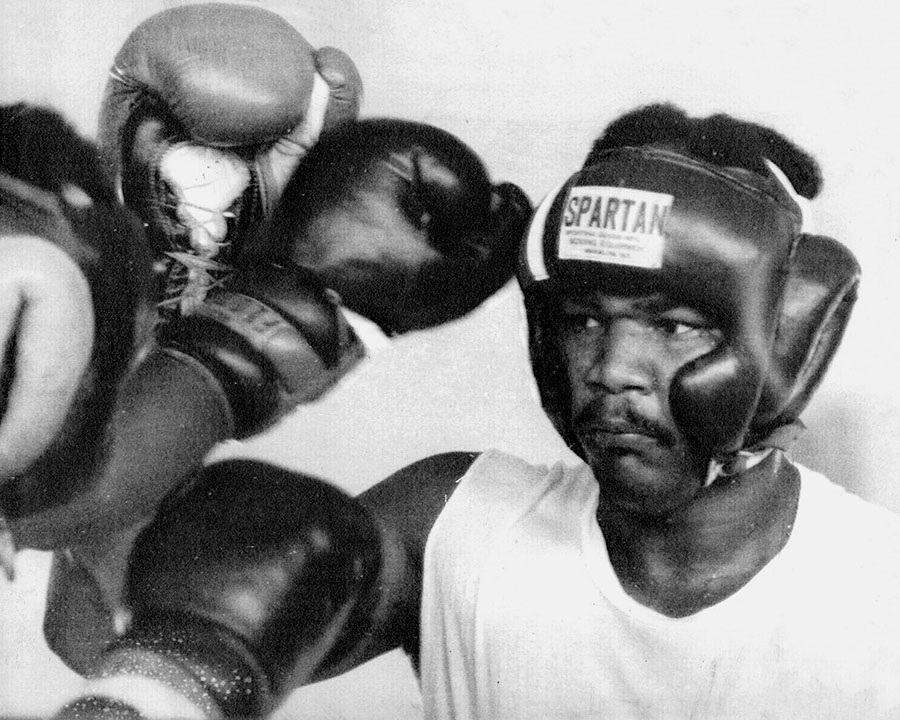











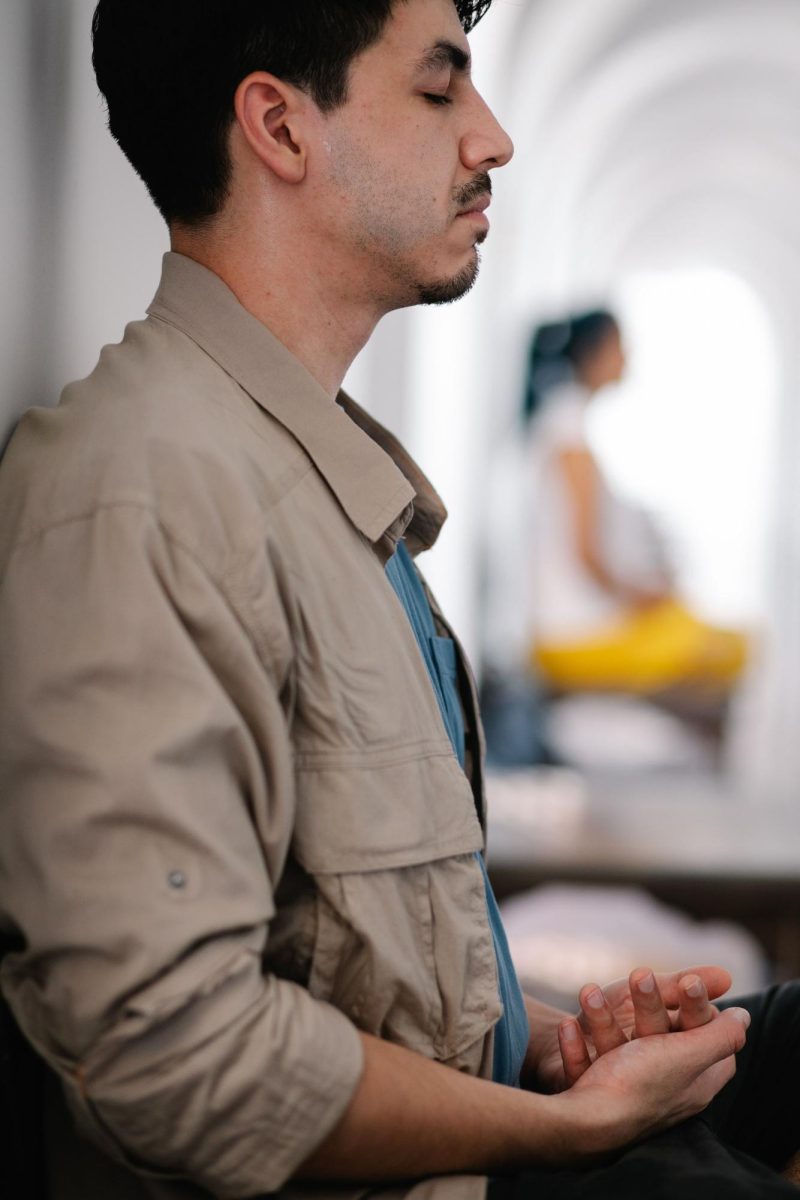



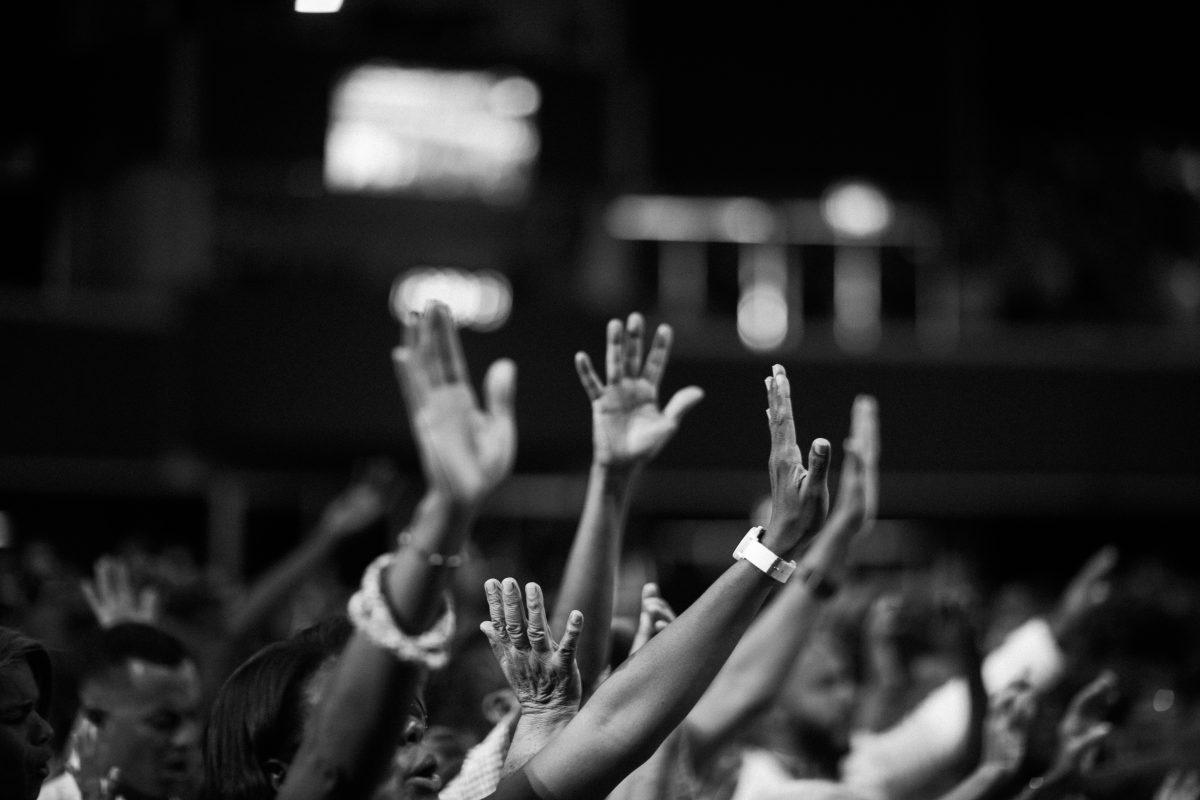



























Given the stresses of the modern world and school, a practice to calm and center one’s mind and spirit feels more important than ever. For this purpose, meditation, prayer, or some combination of both, are time-tested tools for bringing one out of the boxing ring of the ego and into the calming union found beneath the surface of appearances. In my life, meditation has been an integral piece in finding success at school and beyond. The stress of pursuing a professional pilot degree is perhaps best alleviated through study and preparedness, but second to that has been a daily habit of meditating one to two hours in the morning and at night. My relationship to prayer has gone through several evolutions since being raised in the Church as a child. I have noticed, however, that it is a practice that seems to serve other aviation students around me, and so I set out to follow my curiosity in finding the commonalities between meditation and prayer as a functional practice.
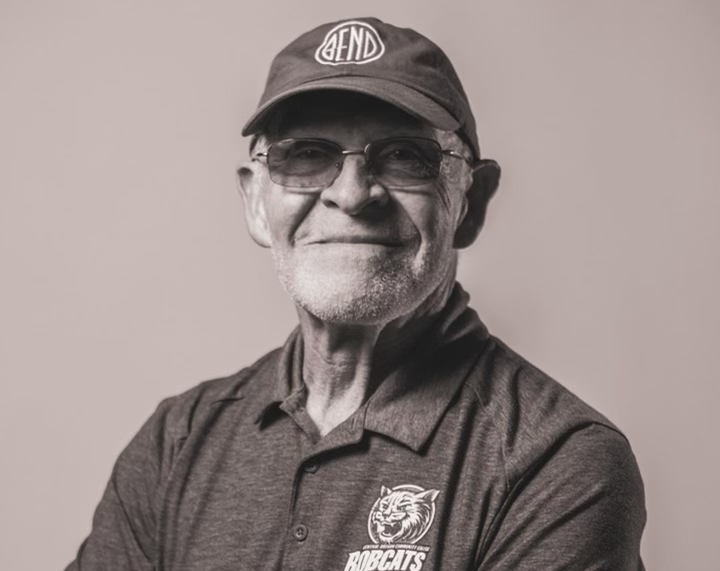
Omar Villegas, a fixed-wing student at Central Oregon Community College, says that he prays three to five times daily. “Usually morning, night, and meals. For God’s will and compassion to work in me and others in my life.” God’s will is an important tenet of many traditions of prayer. In meditation, a similar concept, Dhamma, refers to the natural, loving way of existence as a base behind spiritual practice. Though it is commonly accepted that God’s will is an important function of prayer, it is less clear how one discerns when one is in line with it. For Villegas, a Christian, “I recognize it when I am being more compassionate, more like Jesus, giving more justice to the needy, and living less selfishly. I pray for peace and that’s often when I feel the real warm fuzzy feeling.”
In my personal practice of prayer I often find myself asking for guidance in the larger questions and direction of my life. Villegas echoed similar sentiments. “Usually I pray to help me with flight school, help me with the direction in my life, but that’s like a big prayer. I find that the more I pray, the more I read my Bible, go to church and involve myself in community, the more it affirms, hey it’s not just about the career, but it’s about the community and how to be a leader and a servant. The confusion for me is when I start chasing things that are off that path.”
In my experience with Vipassana meditation I find a similar resonance in the idea that while it can be useful to use the practice for one practical purpose or another, it is considerably less potent than when done for the greater purpose of spiritual transformation. Similar to Christianity, Vipassana preaches the virtues of a life of service, directing one’s intentions beyond the limits of one’s own ego and needs. That being said, sometimes prayer comes in handy for specific purposes. When asked if he ever prays while flying, Villegas laughed. “I mean dude, one of these days it was so turbulent and windy, I got almost a full deflection on the downwind, and I was like please God help me. And I was comforted to feel someone had my back.”
Trevor Howard, another fixed-wing student, gave a similarly jocular example of praying for a little extra float while performing a power-off 180 maneuver during his end-of-course flight test. Sitting before me in one of the hangars, holding his prayer necklace and referencing specific prayer books, priests, and Bible verses, it’s clear that prayer has implications much deeper than passing a difficult test for Howard. He says he prays constantly throughout the day. “I like to warm up, like an athlete almost, to make sure I am coming from the correct heart posture.” Like Villegas, praying for God’s will and guidance is the core tenet of prayer for Howard. “It’s not necessarily that all your problems are solved but there is just this peace that occurs. I can’t tell you how many times I’ve been worried or anxious about something and when I’m done praying, this peace just comes over me. Like you’re ready to go, God’s got you. It feels like a peace that can only come from God.”
In my experience, the word that sums up the benefit of prayer and meditation is acceptance. Not by denying one’s experience, but through trusting its larger function, one arrives at the peace that both Villegas and Howard refer to. As Howard says, “if you’re giving yourself up to the will of God you understand that you don’t have the big picture in mind, he does. That’s that peace, that thy will be done, not my will.”
So, whether it is prayer or meditation or both, stressed-out students may find it helpful to pick up a spiritual practice if they are feeling overwhelmed by the world. By working with the virtues of service, community, and a union beyond the separateness of the ego, one may hopefully find peace.
