



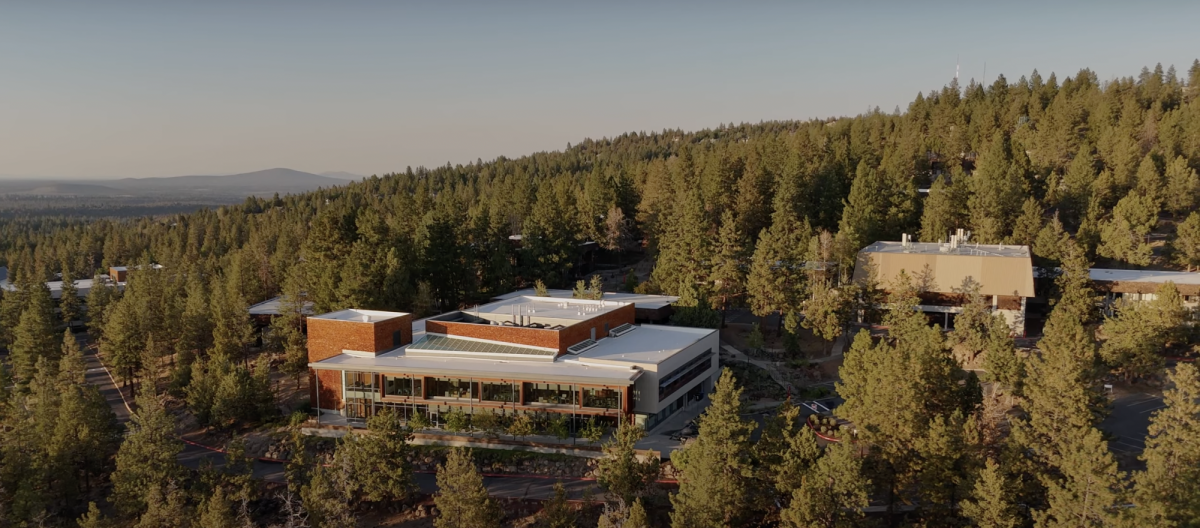












































Moving to a new place can feel intimidating for anyone; the culture and landscape can be daunting for many. For Wickiup Hall students at Central Oregon Community College who moved in during the fall term, many of them share similar experiences of college being their first time in post-secondary education. With that shared experience and time together, many have already formed friendships and fellowships within the COCC community. But what about the students who moved in during the later terms? Being a new student on campus can be frightening and can feel like you’re starting at a social disadvantage. However, a clean slate starts with a healthy mindset; it starts with choosing to see the glass as half full and believing in COCC’s full potential.
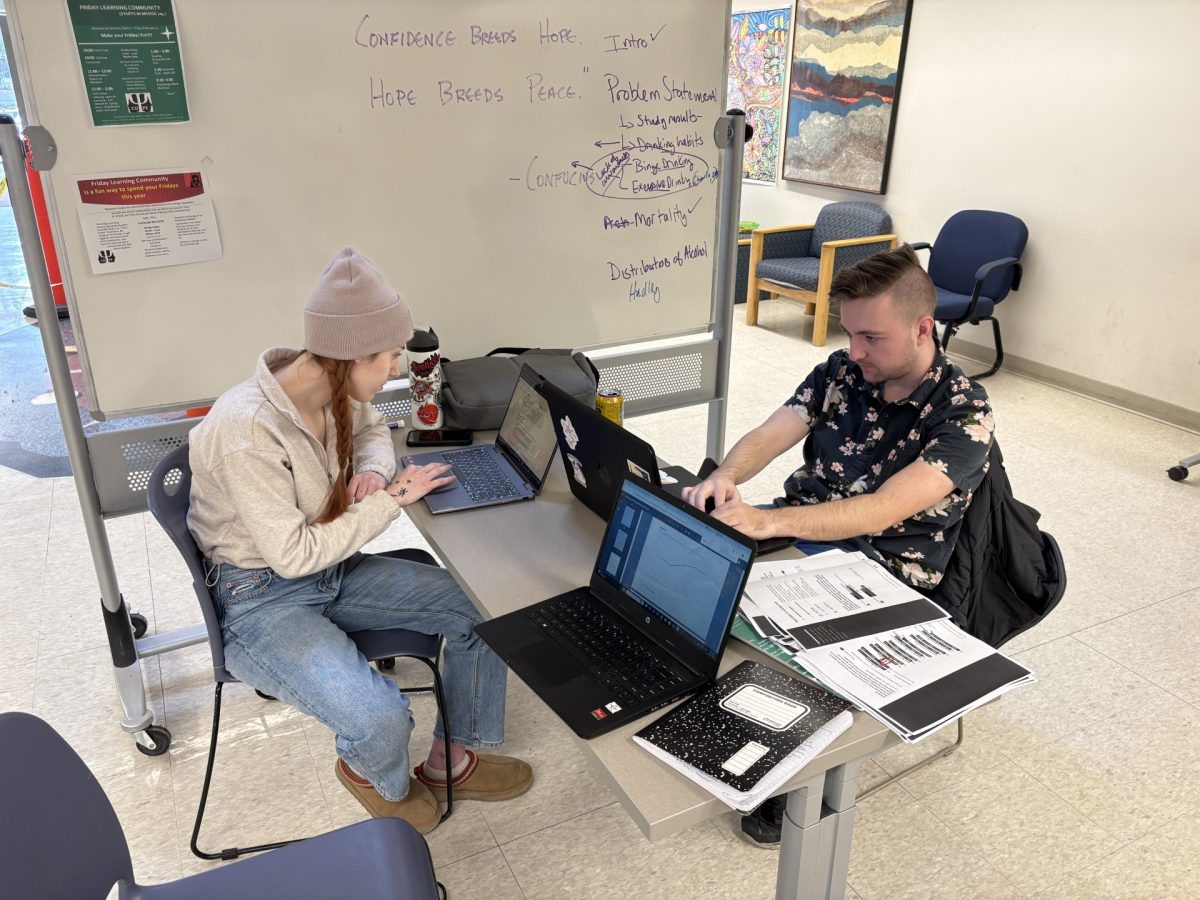
When new resident, Mason Yochum, first moved to Wickiup, he acknowledged the challenges of coming to college later in the academic year. Yochum found his way to socialize through classes and shared interests with others residing in the residence hall. His key to success was staying true to his values and being persistent with his socialization. “I met a lot of people lifting and working out, and it’s those people that have the same interests as me, so we kind of connect that way.”
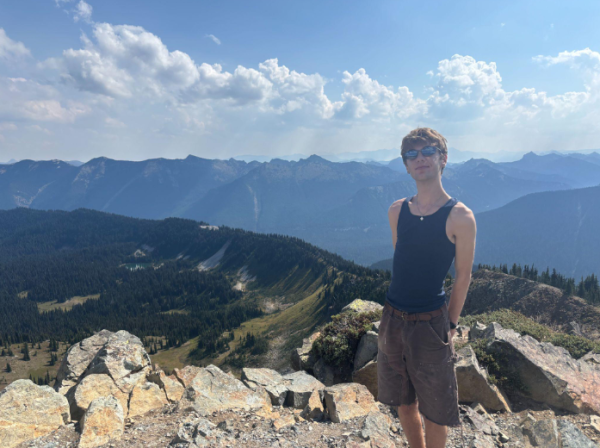
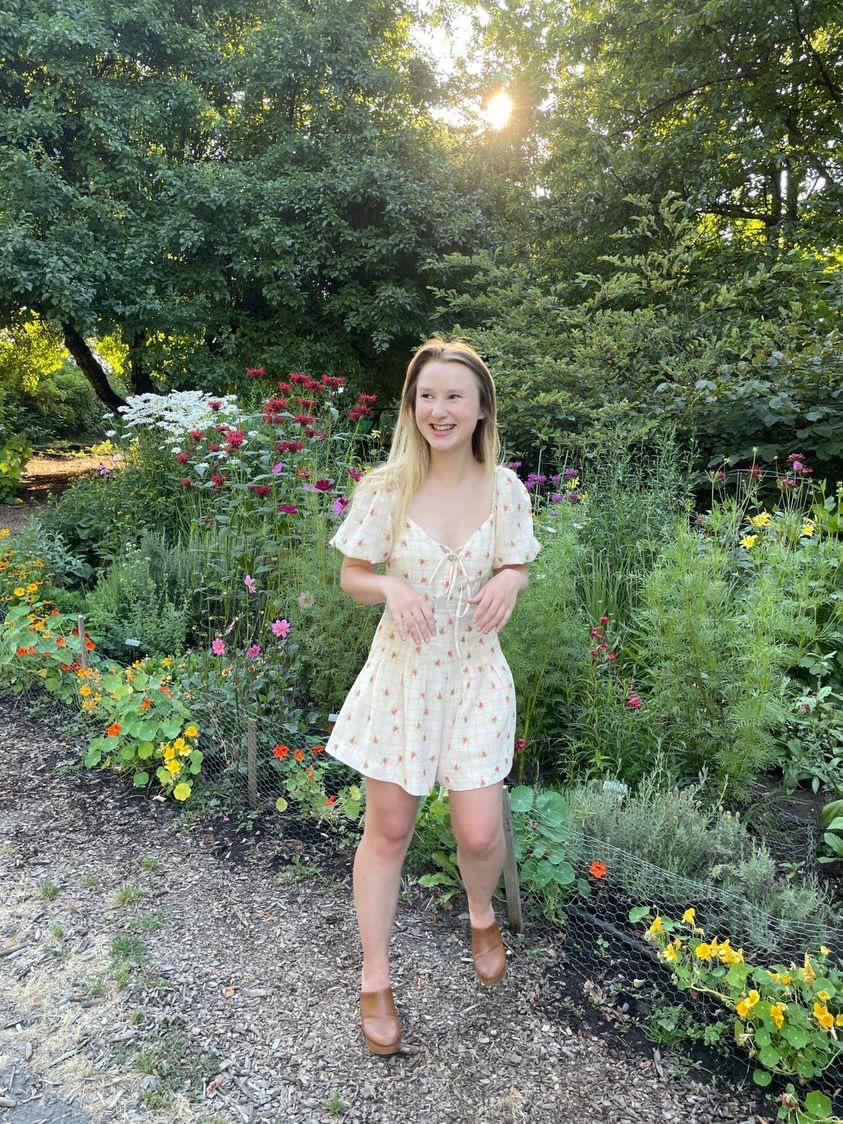
For many residents arriving in Bend for the first time, the most immediate adjustment is the dramatic shift in weather from their hometown. For Hailey Redhouse, who moved from New Mexico, where the climate and landscape are typically warmer with little to no hills. Despite the cold, Redhouse found many parts of Bend to enjoy. “The hills are not as exaggerated like home, with this many trees and everything, which is a really nice change.”
Moving in early has just as many complications as moving in late, which is what Lydia Harms, a reporter for The Broadside, discovered. Harms moved into Wickiup during the summer term in 2024. Then, the summer term felt as isolated as the winter term feels to her. Only when students started moving into Wickiup in the fall did it feel like a real community college experience. However, this winter term, Harms moved back into Wickiup after her firefighting internship. In her second time around, she understands the power of speaking her voice and not being afraid to ask for help. Managing this lifestyle change can be challenging and put you into “survival mode… But the teachers and the professors and the faculty here are here to help.”
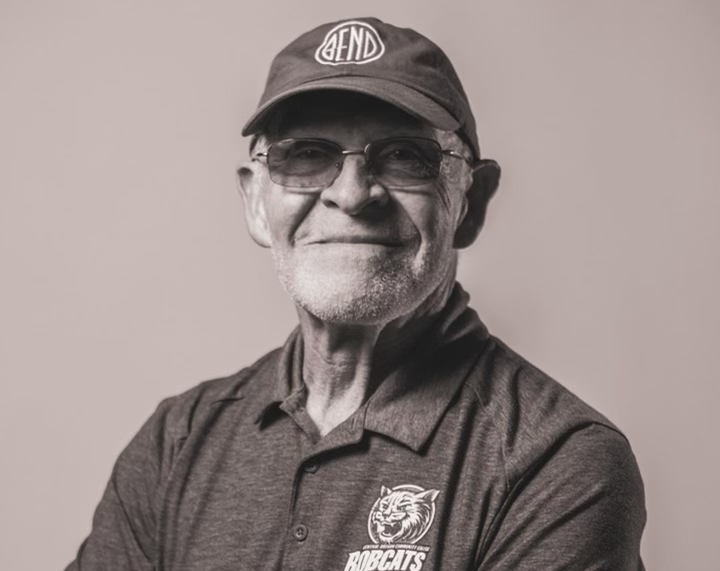
Quinn Sykora, the Residence Life Coordinator at Wickiup Hall, believes in the importance of attending events to foster social connections. Joining in on campus activities like recreational sports, clubs, and events can maximize your potential at COCC and open up many opportunities for connection. Participating in a shared activity is one of the best ways to meet like-minded people.
One of the main issues is that students don’t know where to look for events like these; however, Sykora just believes students need to open their eyes more to make the most of their time. “All of our events that we hold always have at least 30 people, and there are always people there looking to make new friends.” Sykora highly suggests that student residents read the Bobcat bi-weekly that Wickiup Hall staff sends out to inform students on current campus events and general information.
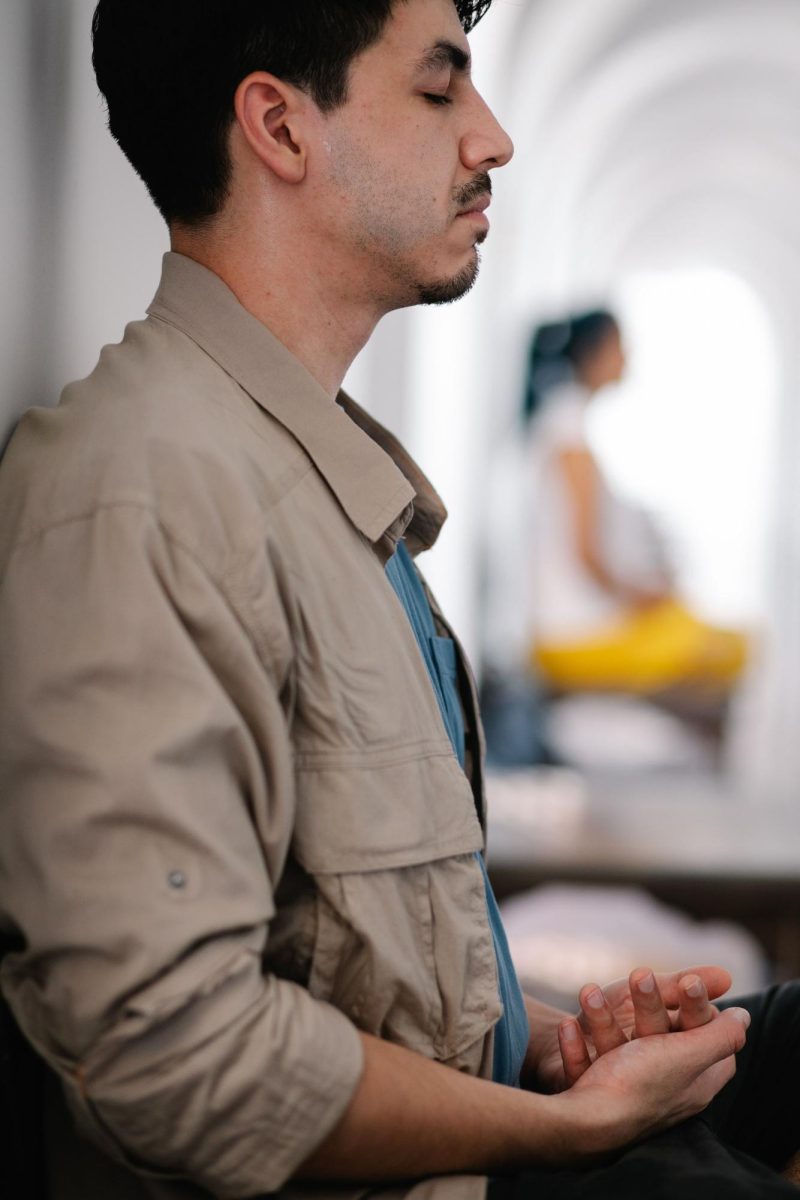
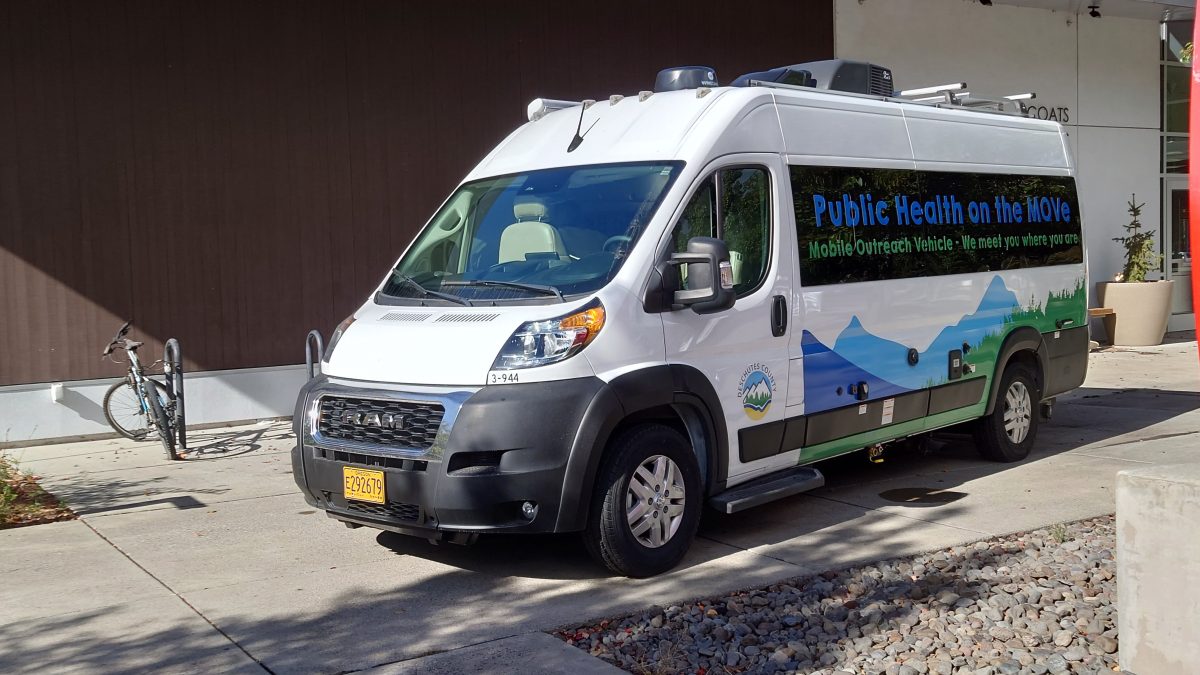
While COCC offers a vibrant range of communal activities, the college also ensures students have access to dedicated counseling services. Students are eligible for up to six free sessions with a licensed professional. Therapy isn’t just for those who are having a mental health crisis; it can be a supportive space to talk about whatever is on your mind, whether it be dealing with academic stress or just wanting a place to verbally process your issues. Meeting with a counselor can offer a sense of stability to smoothly integrate into the community here at COCC.
For students moving after the fall term, it can sometimes feel like an uphill journey. But Wickiup Hall is emanating with success stories that prove even though the path for everyone looks different, we can all flourish with a community of unique individuals.
Community is something that can’t be overcomplicated, or else our insecurities get in the way. When you allow yourself to take risks, over time, the fear factor starts to fade away and authenticity arises. If all of that still feels intimidating, Redhouse has a simpler philosophy; in her words, “just vibe shawty!”