



















































In the spring of this year I applied for the Central Oregon Community College Foundation Scholarship. I received it last year and as such didn’t think much of it after I re-applied. To my pleasure I received the scholarship in full for the upcoming school year, but soon after I was also alerted of obligations to fulfill in order to fully accept the offer.
With ire and disbelief I read one of many obligations: “please submit thank-you letter(s) addressed to each specific scholarship donor … (they) should include … a sincere thank you.”
This isn’t a matter of pride or stubbornness. I’ve no qualms of earning my keep and accepting money from others, especially to fund my education. Nor thanking others for assisting me is the issue. But this feels performative, inorganic. It’s self-aggrandizing when donating to a worthy cause should generate the exact opposite reaction. And sincere? What does that even mean here? Donating should be done for the sake of bettering society, not for whatever this is.
But it gets worse: I’ve been volunteered–read: forced–to take part in a COCC Foundation shift, meaning in exchange for begging for scraps I am rewarded with community service. I’ve no issue with taking part in bettering my community and trying to do so throughout the year, but again, being forced to do so feels wrong. The conditions to accept the scholarships were only made clear after I’d received it. I can’t be the only one who finds that odd.
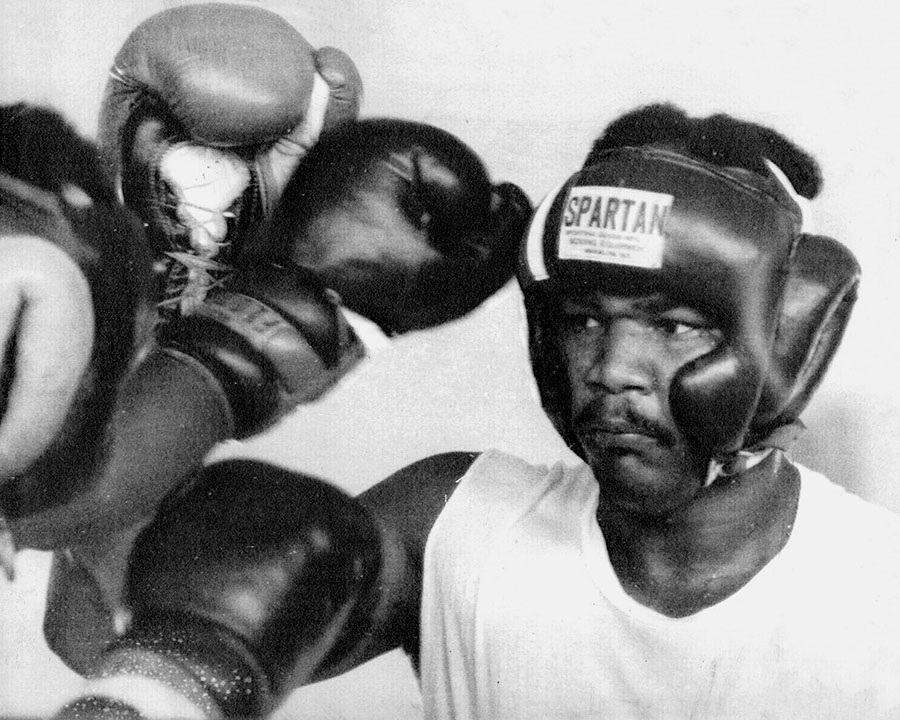
As all this swam through my mind I was forcibly reminded of a scene from Ralph Ellison’s “Invisible Man.” Deeply entrenched in the discussion of Black presence in 1952, the novel’s first chapter detailed a boxing match. A rigged match that the main character, given no name, had to participate in order to deliver his high school graduation speech. It is through blood in his throat, forced to swallow that he gave his speech. He was jeered at and treated with hostility, yet when he finished he was met with thunderous applause. And the match, done just for the entertainment of rich and powerful men, presents him with a full-ride scholarship after.
Now of course, this is commentary. Fiction at its finest. But those emotions he felt, perseverance and humiliation, those are very real.
And my confusion continues because I didn’t simply receive this money for being a student, no. I earned it. I applied like all the rest. I had to be more transparent about my financial situations with utter strangers than I am with most close friends. I detailed my struggle and, in effect, pleaded my case for why I deserve this money, why I need it. So forcing me to express appreciation as a direct stipulation for receiving my funds after going through that process, well, it just doesn’t sit right with me.
Had this been at an event in which I was face-to-face with the financial donors, a “thank you” would have been one of the first things out of my mouth. Because that’s the right thing to do.
Somehow the condition makes it feel like everything but. This condition makes it feel like everything but–a complete removal of the organic reaction. It twists what should be a heartwarming process into an ordeal, the antithesis to altruistic action.
Especially considering the racial connotations involved. A National Center for Education Statistics study from 2015-2016 showed that Black Americans were the largest demographic to receive financial aid nationally. Followed shortly by Asians, Pacific Islanders, and Hispanics. Yet somehow white Americans still earned more than African Americans. And now I, a Black man in a predominantly white community, must bow his head in gratitude to white people.
As for why this long standing tradition has continued, I can only guess. Delusions of grandeur, maybe. Or sheer ignorance. Perhaps it’s just something older generations want to adhere to; etiquette. I’m appalled, and all I’m sure of is that this must be changed. Change that can occur in a variety of ways.
Thank-you letters should be encouraged but not required. A proper ceremony could be held to congratulate students in which they have the opportunity to express the aforementioned sentiment. But flexibility is the key idea behind this change. This is an antiquated problematic practice, especially considering, again, demographics and the trend of who receives scholarships and who dispenses the funds.
Bonnie Hunt, veterans program coordinator at COCC had donated to the Foundation Scholarship in the past and explained her initial confusion to her first thank-you letter because there wasn’t a preamble that students were writing directly to donors to express their thank-yous.
“It felt, yeah, like it was a false sense of intimacy,” said Hunt. And I agree with that notion, because at the end of the day you, the reader, don’t know me and vice versa.
Hunt emphasized the fact that people’s stories are not a given but a privilege, and added that she “wouldn’t want my story shared .… My privacy and my autonomy are important to me.”
When asked if she thinks whether the practice should be done away with she said it’s us, the students, who should decide. I, for one, give an emphatic yes.
A few months ago I received a thank-you letter directly addressed to me for donating to the Afrocentric Student Program Scholarship and couldn’t even finish it. I detested how personal this knowledge I now hold about this individual feels, and feel unworthy of knowing so much. It just feels wrong. I cannot express that enough.
I’d never advise a student against applying for this scholarship and cannot deny its importance but am vehemently against the practices connected.
Perhaps the biggest change that must occur is the mentality behind it all. This isn’t about righting society’s wrongs or a problem to be solved. This is an act that benefits everyone involved, not a deficit to be fulfilled.