






































Unprepared and half-asleep, I found myself at the top of Pilot Butte at 2:30 in the morning. This was a few weeks ago, as a small group of friends and I made our way up to watch the lunar eclipse, to wait for the sky to change.
The wind cut through the dark sharper than we expected, colder than we had planned for—overly optimistic about a March night in Central Oregon. There was nothing to do but wait for something far beyond our reach.
We took the road instead of the trail. I’ve lived in Bend my whole life yet somehow never made the full walk up before that night. It wasn’t meant to feel dramatic, but it did anyway.
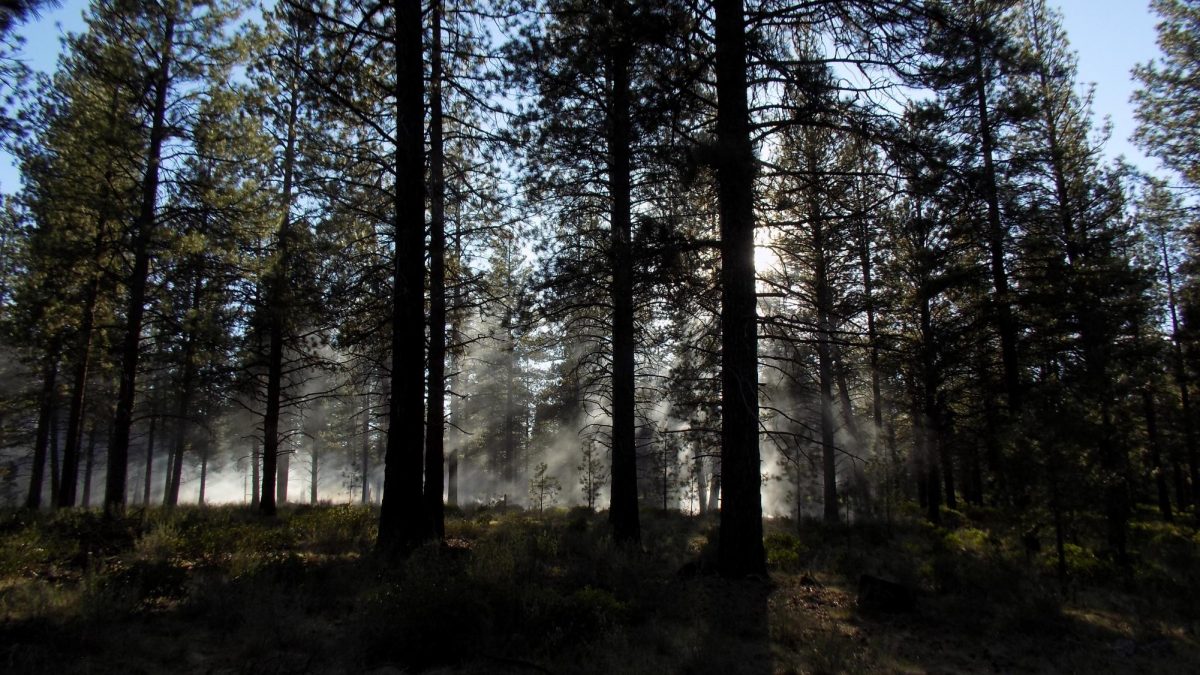
The road was quiet, too quiet. I kept glancing over my shoulder even though I knew no one was there. In the darkness, the trees lining the road looked less like trees and more like figures standing still, watching. Every shift of the wind felt like movement my brain couldn’t quite place.
We knew other people would come; an eclipse isn’t exactly a secret. We were simply early. It was strangely comforting when they arrived an hour or so later—not because the sky had changed, but because the space around us no longer felt empty.
Before the eclipse began, the moon was bright enough to guide us; no flashlight was needed. It lit the road in a way that made everything feel surreal.
The strange part had started the night before. One of my friends had a vivid dream about the moon, not knowing there was going to be a lunar eclipse. Then we realized the peak would be at 3:33 a.m., and one of us pointed out the date: 3/3.
I’ll admit to being a little superstitious, and for a moment I almost didn’t go. Patterns don’t feel random to me. They feel intentional, even when I know they aren’t. Eclipses were once read that way too—something to fear, a sign or omen that the sky was turning against itself rather than simply passing through.
We lingered there from 2:30 to well past 3:30, watching the moon slowly shift. A shadow edged across it, steady and quiet. The bright circle that had lit our way began to dim. Not vanishing but moving through something darker. When it was fully covered, the moon turned into a muted, rusty orange hue.
At 3:33 a.m., the shadow was at its deepest.
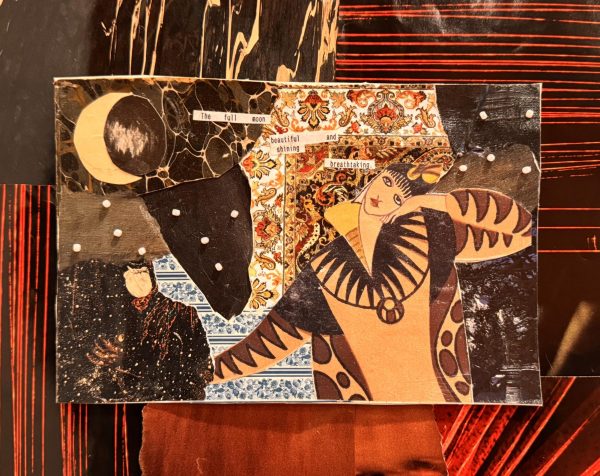
We stayed for a bit longer, but eventually the cold won. Starting back down, tired and half-frozen, we left the moon suspended somewhere between shadow and return.
I didn’t see it go back to normal, but I knew it would.
An eclipse isn’t foreboding; it’s alignment. The earth shifts, casts its shadow and then keeps moving. The light comes back whether you’re there to watch it or not.
Maybe that’s the part that stayed with me. Not the red tint or the strange timing, or even the eerie walk up the hill—just the quiet certainty that shadow isn’t permanent. Even if you don’t stick around long enough to see it lift.