



































As per Vocabulary.com, analog is the opposite of digital. Strictly old school. And it’s having a moment: film cameras are back in people’s hands and vinyl records are spinning again. Bookstores are crowded, journals are filling up and printed photos are finding their way back onto bedroom walls. Some of this revival is undeniably aesthetic—analog looks beautiful, tactile, curated. But even when the return begins as a stylistic choice it still carries something deeper. A trend that keeps traditions alive is better than letting them fade away entirely.
Nostalgia alone doesn’t explain why so many people are reaching for objects that slow them down in a world that never does.
Beneath the surface, this renewed love for analog is a deeper impulse: we’re not becoming analog because we hate technology, we’re becoming analog because digital life has made time feel thin, disposable and unmemorable.
People aren’t turning back to it to reject the modern world—most of us too are deeply woven into digital life to abandon it. What we’re reacting to is the strange feeling that everything online is stored yet rarely felt. Billions of photos are taken every day around the world, but how many do we actually go back to look at? Content blurs into feeds that refresh faster than the memory can keep pace. The cloud promises permanence, but it feels fragile—accounts disappear, files get lost, platforms age out.
Analog offers a different kind of reassurance. A photograph, a letter from a loved one, an old book. Objects that survive in the physical world, objects that can be felt and held. They don’t just document a life; they safeguard it. They can be inherited or rediscovered. These objects become evidence that a moment happened.
For many people it’s a way of preserving childhood. Physical artifacts project memories in a way digital storage can’t fully replicate. Scrapbooks, old notebooks, stacks of photographs—their textures and scents alone can jog memories. Things you can stumble upon years later or pass down to someone who wasn’t there. In a culture where so much is temporary, analog creates continuity. People feel more connected not just to their past, but to the idea that their memories will outlast them.
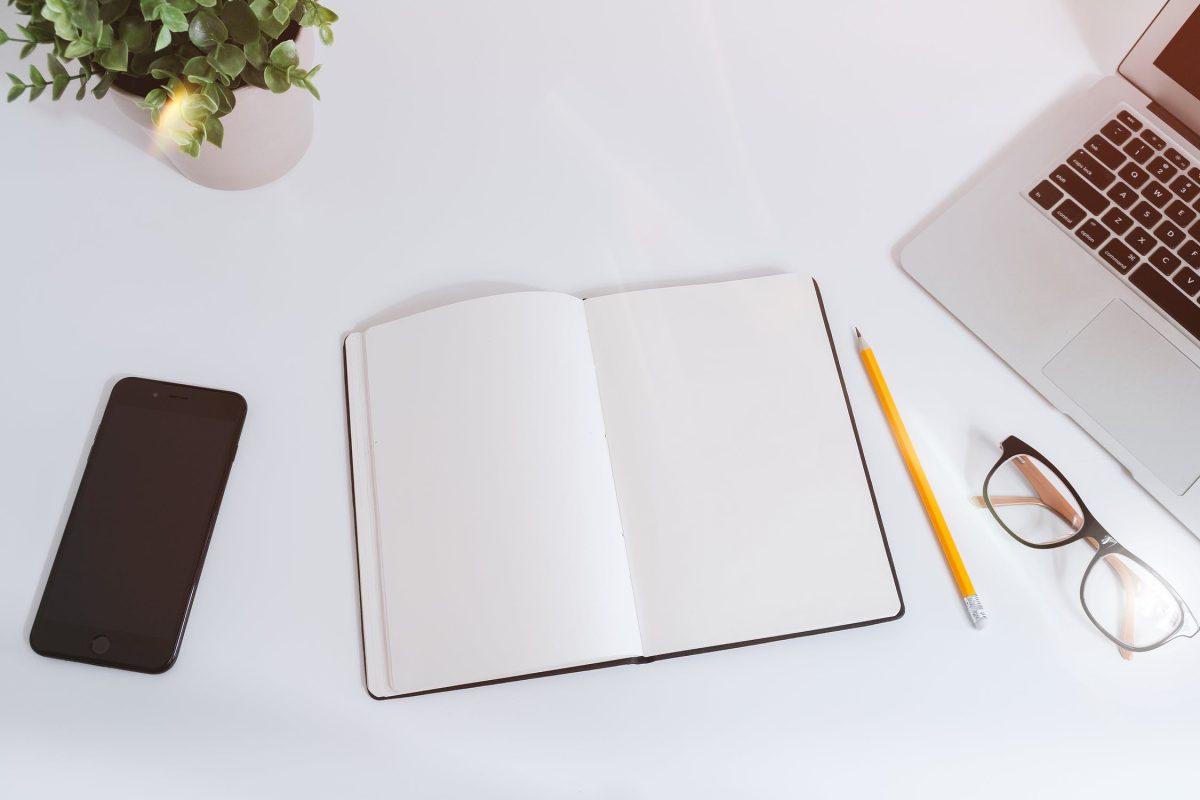
These experiences are more memorable because they ask more of us. They require effort, attention and patience. Writing by hand is slower than typing. Developing film takes time. Listening to an album front to back asks us to stay present. That friction is what gives the moment weight and forces us to slow down. When everything is instant and infinite experiences blur together. When something takes time it gains shape and remembrance. Digital life gives us abundance; analog gives us density. Hundreds of forgotten images can’t compete with a treasured handful.
There’s also a social side to this return: it encourages presence. Passing something physical around feels different from silently scrolling beside someone. Listening to music together from a record creates a shared focus instead of divided attention. They anchor us in the room with each other. Using our hands—writing, crafting, touching—reminds us that we’re active participants in our lives and not just spectators behind screens. Analog doesn’t scatter attention. It gathers it.
None of this means we’re rejecting technology or romanticizing the past. This revival is less about escape and more about balance. Keeping the advantages of speed and access while rediscovering the value of presence and ritual. Convenience is powerful but a life built solely on convenience can start to feel weightless. Analog habits reintroduce texture. Waiting builds anticipation. Repetition creates meaning. Objects accumulate history. This return is by no means regression. It’s a quiet correction—an attempt to make time feel solid again.