















































Since its release in the fall of 2022, ChatGPT has continued to evolve, with each iteration creating challenges for professors as artificial intelligence has become increasingly common in student work.
As professors across the nation learned to navigate ChatGPT, whether by embracing or rejecting it, there was no simple path forward. At Central Oregon Community College, instructors gave their varying opinions on the growing role of AI in the classroom.
Kristin Dorsey, an English Associate Professor in the Writing and Literature Department at COCC, shared her strong opinion on AI’s role in education. When asked if she used ChatGPT in her classroom or for assignments, Dorsey didn’t hesitate:
“No. Not for anything. Nothing in my life,” she replied. “Listen, I enjoy my work. This is what I got into. Like, that’s fun for me. I like it and I think I’m good at it. So why would I have something else do it for me?”
Her firm response reflected a growing struggle among educators who saw AI as a threat to authenticity in not only student work, but instructing as well. For professors like Dorsey, teaching and writing were deeply personal processes, ones that lost meaning when replaced by an algorithm. But while she avoided the technology, others started to responsibly integrate it into their work out of efficiency.
Quinn Hartley, a dual-enrolled Genetic Biology major at COCC and Oregon State University Cascades, said the tool’s presence in the classroom depended largely on the instructor.
“I had a professor who would use AI to give us samples of assignments made entirely by AI,” Hartley explained.
According to many writing instructors, AI-generated work often stood out when it didn’t match a student’s usual tone or level of specificity. Essays that seemed unusually polished or vague raised suspicion—something Dorsey also noticed in her classes.
“If I read something and I immediately know there’s something off with it, I don’t breathe very heavily into it at that point. It’s just basically like, hey, I don’t think this is your work,” said Dorsey.
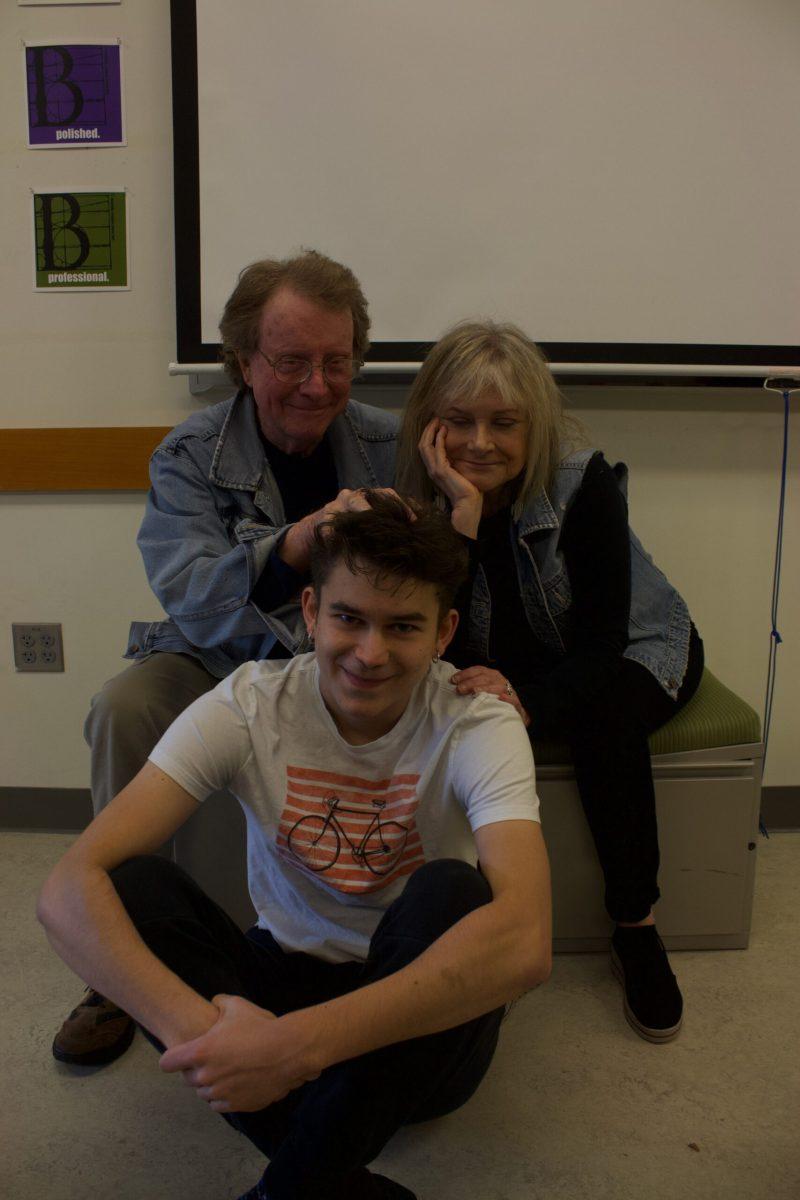
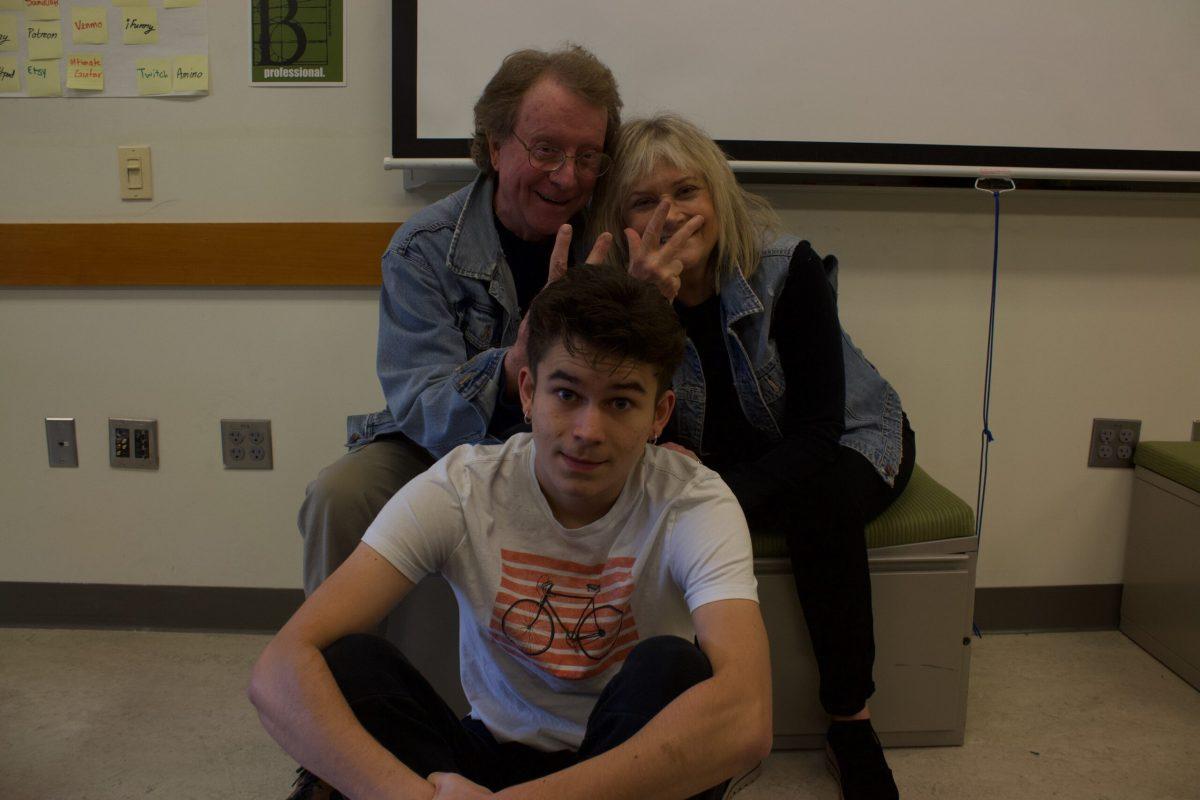
English Professor Stacey Donohue, also in the Writing and Literature department at COCC, agreed that AI writing tended to have a certain sameness. Donohue explained that many students who relied on AI did so because they didn’t fully understand the assignment, making it hard for them to even prompt the system effectively.
“Generic writing with few specifics is often the giveaway, or an assignment that doesn’t follow my instructions,” she said. “But AI is getting increasingly better each year, so my guess is that it will be increasingly harder to detect.”
Dorsey, however, wasn’t convinced that progress means improvement.
“I don’t hear enough conversation about the idea that this is potentially not going to get better. The more the AI is spitting out material and content, the more it’s also cannibalizing its own material and content” she said.
While professors disagreed about where the technology was headed, both faced the same core challenge: maintaining authenticity in the classroom. Dorsey noted that AI wasn’t to blame for students’ bad habits, it was just a new tool for the same problem, which is procrastination.
Donohue echoed a similar thought: “I know some students are either plagiarizing, which we have tools to discover, or using AI, where we do not have effective tools for discovery at this point. But it’s either obvious, or I just miss it.”
As Dorsey noted, students often turned to tools like ChatGPT out of convenience or a desire for quick results, which were reasons that have made AI use more common in both academic and everyday contexts.
It became easy and increasingly accessible for people to use in their daily lives, not just in academic scenarios. AI promised convenience, but Dorsey argued that this came at a cost of losing critical thinking skills.
“If …you’re here to learn and you’re here to do the work, then do the work,” she said. “You’re perfectly capable of doing your own brainstorming. And my concern is really long term. My concern is that if people don’t use the muscles that they have, they’ll atrophy, right?”
For her, the danger of tools like ChatGPT wasn’t just plagiarism, it was dependency. Over time, she feared that students might lose the ability to think creatively or independently.
“And if you’re not a creative person or if you’re not somebody who thinks correctly or creatively well, then even more reason for you not to use those kinds of tools,” she added.
Donohue took a more flexible view and described AI as a natural extension of tools students already use like Grammarly or spell-check. “Last year, I did introduce how ChatGPT could be used in a variety of ethical ways, including for help with brainstorming, outlining and for doing an initial literature review for research projects,” Donohue said.
She encouraged students to seek human feedback first through tutoring services.


PH | Dec 3, 2025 at 9:01 pm
Such a great article, which gives alternating views of ChatGPT and its use in an academic setting. And so true, being dependent on ChatGPT would be a detriment to creativity…very well written piece.