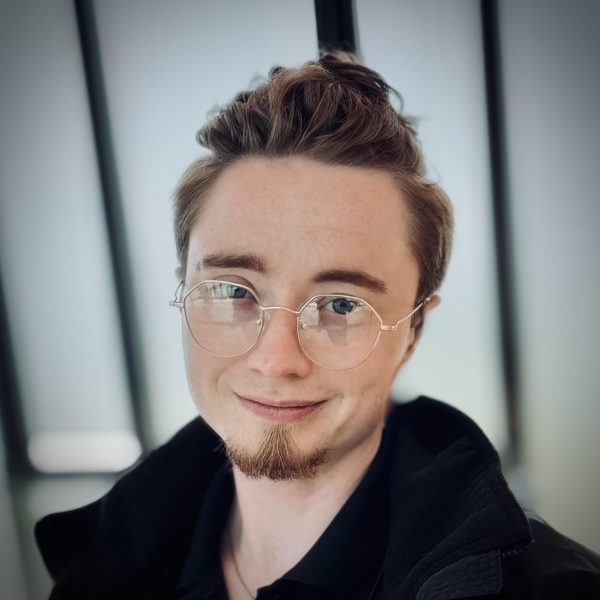
































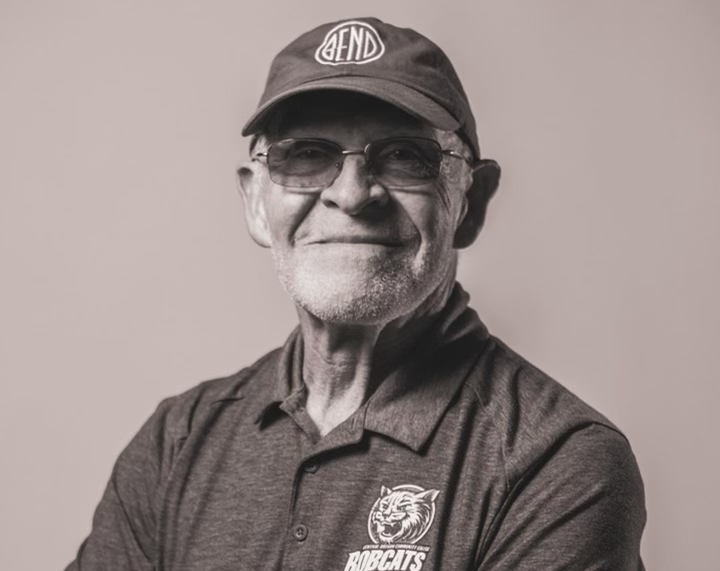




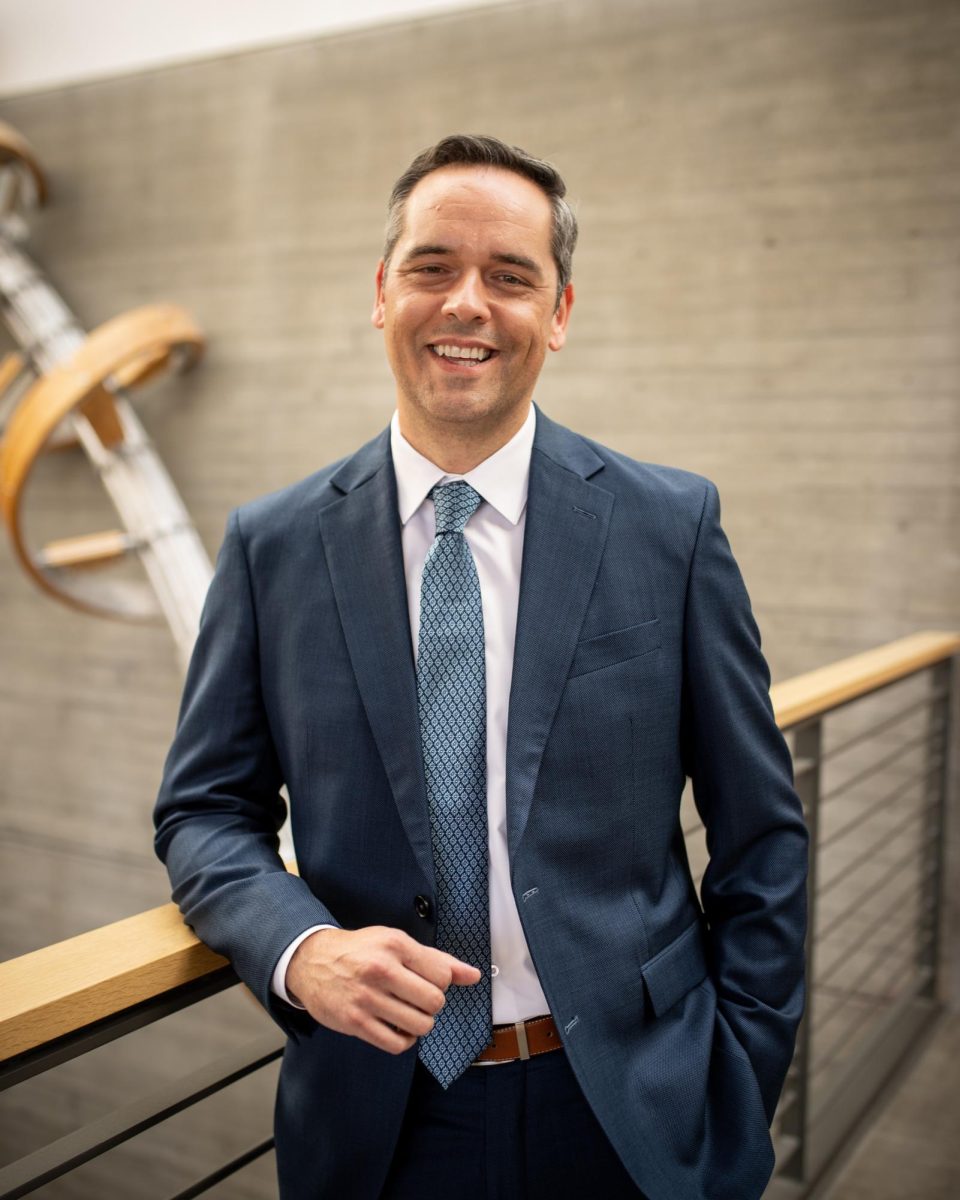
He stepped into his role as Central Oregon Community College’s president in July 2025 after being appointed in February of 2025. As his first fall term at the college came to a close, The Broadside sat down with him for an interview. This interview has been edited for clarity and length.
The Broadside: What compelled you to accept this role?
Dr. Greg Pereira: I wasn’t looking for a new job, let’s start there. I was very happy in Phoenix. I grew up outside of Portland, and so I’m a native Oregonian. Kids I knew that graduated high school in Portland would then pick up and move to Bend to go to COCC. (It’s) the kind of college where you stop what you’re doing and consider, is that somewhere that we would want to go? And so, I applied and fell in love with the school. The more I learned about it, the more I thought it was a really special and remarkable place. I always say that moving was not on our bingo card for 2025, it was, like, “oh wow now we’re doing this? Oh, okay!”
TB: Looking back on your first term, what achievement are you the most proud of?
GP: I set a goal for the first several months that I was here of trying to meet with all of the full-time employees. I thought that if you could meet directly with people and get to know them and hear about their experience, that would really be incredibly helpful. So we have 488 full-time employees and I’ve met with over 420 now. I’m going to meet with everyone by the end of the term. And I’m really proud of that. Not even as a personal accomplishment, but just for the college.
TB: What has been the biggest challenge you didn’t anticipate when you stepped into this role?
GP: The timing of coming here is less than ideal from a ‘what’s going on around the world’ standpoint. Shortly after I accepted the role we got word that we were losing federal funds for our Madras expansion. Since coming here we also lost funds on one of our large federal grants. Now the state projects a budget shortfall because they’re getting less money from the federal government. Just all of the budget and financial situation from the federal government to state government to collective bargaining–it’s all sort of hitting at the same time. So that’s a challenge, but it’s not insurmountable and that’s just a season that we’re going through, and it’ll be a hard year or two, and then it’ll get better.
TB: You’ve been notably active and engaged with students from day one. What is some feedback you’ve received from students and how do you plan to address it?
GP: I’ve heard from a number of students about a specific class that they love or that changed their outlook or that changed their whole trajectory and what they wanted to do with their life. That’s super exciting. I’ve also heard we have amazing extracurricular activities, but we need more students to go. And so that has been interesting. Part of it, I think, is a bit of a post-COVID hangover, and it’s not just students. For staff or faculty, too, you know, for a couple of years people just weren’t really up for big gatherings and big group things. One recommendation I received is really improving communication with students. So, we do a lot of great events that people don’t even know about. And so, we’re trying to think of ways to improve that. One option is putting up more monitors in key areas and advertising upcoming events. So you’re not always having to check email or go to a bulletin board or something like that. I’m talking to our vice president of IT about a student portal. I’ve set them up before at other colleges, and for a student it’s great because you just log into one place, it’s a one-stop digital app.
TB: How do you plan to improve the student experience next term, both academically and socially?
GP: The first thing for me is really making sure that I’m taking part in these things to get an idea of how I can support them. And so extracurricular activities can be fun, but they can also be like co-curricular activities where they’re part of the education that students get. So I’m trying to take part in some of those things just to get a better sense of what all we offer and then give feedback or support as is helpful and necessary. I did the dorm move-in so that was really cool just to get that experience and that was very helpful too. So, with dorm move-ins, you’re not just helping the students, you’re also meeting parents and guardians and people coming on campus. Next fall I’m going to try and be part of the parent meeting and give those parents some assurance, like, “Hey, we’re here to support in any way we can.” There are a ton of people, myself included, whose number one job on this campus is to help and to make students feel at home.
TB: Do you have any additional goals for your role here?
GP: I am a big proponent of seeing COCC as a first-choice college. To me, a lot of times community colleges are an alternative to the university. People want to save money or they’re not quite sure what they want to do, they go to a community college. And COCC is really different in a sense that it is a destination. It’s somewhere people want to go. The education here is phenomenal. Like, you’re not ever settling. You’re getting a better education than you would in most other places. And even having dorms is really unique because it creates a space where, again, people want to move to and go to college. So not settling for being an alternative, but pushing ourselves to be the absolute best in a place where people want to be.
TB: Was there a moment this term that made you think, “Yes, this is why I chose this role?”
GP: There’s been a lot of moments that make me feel that way, and they usually come from being helpful in some sort of way. So the dorm move-in, I walked away that night and I thought, like, this is everything I want. It is working directly with students, it’s being helpful, it’s eliminating barriers.
There was a moment a couple weeks ago where we were talking about budget. It was able to hopefully move us in the right direction by challenging the status quo. Why do we do the things that we do? Can we do it somewhat differently? And that was a really good feeling of, again, just feeling like you add value. I love what I do, that’s the cool part.
TB: What is one thing about being president that people might be surprised to learn?
GP: It’s an incredibly difficult job. There was a study that was just done that found that the median length of stay for a college president is 3.8 years. So, you know, you’re sort of the person in charge, and you would think that comes with really fun things and sometimes, it does, but people don’t stay in these roles because of the challenges. When you genuinely care about people, when you’re empathetic by nature, when you want a great culture and people to be happy, but all of the information you get are the shortfalls, it’s hard. You take that home with you. There’s a helpless feeling that occurs when you have knowledge of problems that you personally cannot fix. It’s a constant push and pull between the hard parts that weigh on you and also the fun and great opportunities to make an impact.
TB: What lasting impact do you want to have on COCC?
GP: It sounds self-serving to say, but I want to be remembered as the best president the college could have had. Not because I want to do something better than other people, but because that would mean that students are having an incredible experience, that the staff and faculty feel supported and encouraged. It would mean that we’re financially stable, we’ve achieved great things. So it’s not that I want the accolades, but I would love to see a legacy where you look back and you can say things just got better and better. Not because they were bad, but because we just grew on our success and we continued it. And being here for an extended period of time would be really good, too. I think that the college wants stability and leadership and that would also mean that it was a really good fit, right?
TB: What is your favorite place on campus?
GP: Well, I would say I like to go way up on upper campus, up above Grandview, and then just to look out at the range. And then the Grandview fireplace room, it’s probably my favorite. I love that room. It’s like a throwback to a 1960s ski lodge.
TB: What do you think is special about COCC?
GP: Everything. I mean, honestly. I’ve been in higher-ed 15 years and in different states, different colleges, and that’s where I feel very good about being at COCC. What makes COCC special is, number one, 75 years in the community is amazing stability. The community loves this college. When I’m out and about, if I meet someone and I mention working at COCC, they went here or their kids went here or their parents went, you know, everybody has been impacted by this college. We get staff, faculty, and students that are incredible because people love Central Oregon. They want to live here. Most people here really like the other people here. We don’t have a ton of drama of like infighting and with staff and faculty, they all get along and respect each other and really like each other as colleagues and friends. And again, that’s not something you see everywhere. I think most people are in a really good mood here. That’s incredibly special. And I’ve worked enough and been in enough places to know when you see that, you recognize it and you make the most of it.
TB: If you could get one message out to all COCC students, what would it be?
GP: I think the most important thing students know is that we care deeply about you and your success. When I was a student, I did not come from a college-going family, per se. I grew up in a poor immigrant house. And so when I went away to college, I felt overwhelmed. I felt like an imposter. I felt like everyone knew what they were doing except for me. And that was of course not the case. Everybody feels like they don’t know what they’re doing, and everybody feels like they’re a bit of an imposter. But I didn’t have that knowledge and I didn’t really have anyone reassuring me that I wasn’t alone. None of us knew what we were doing or what our long-term plan was, it’s a struggle for all of us. Just have the knowledge that you’re not alone. You’re on the same journey as everyone else.