




























































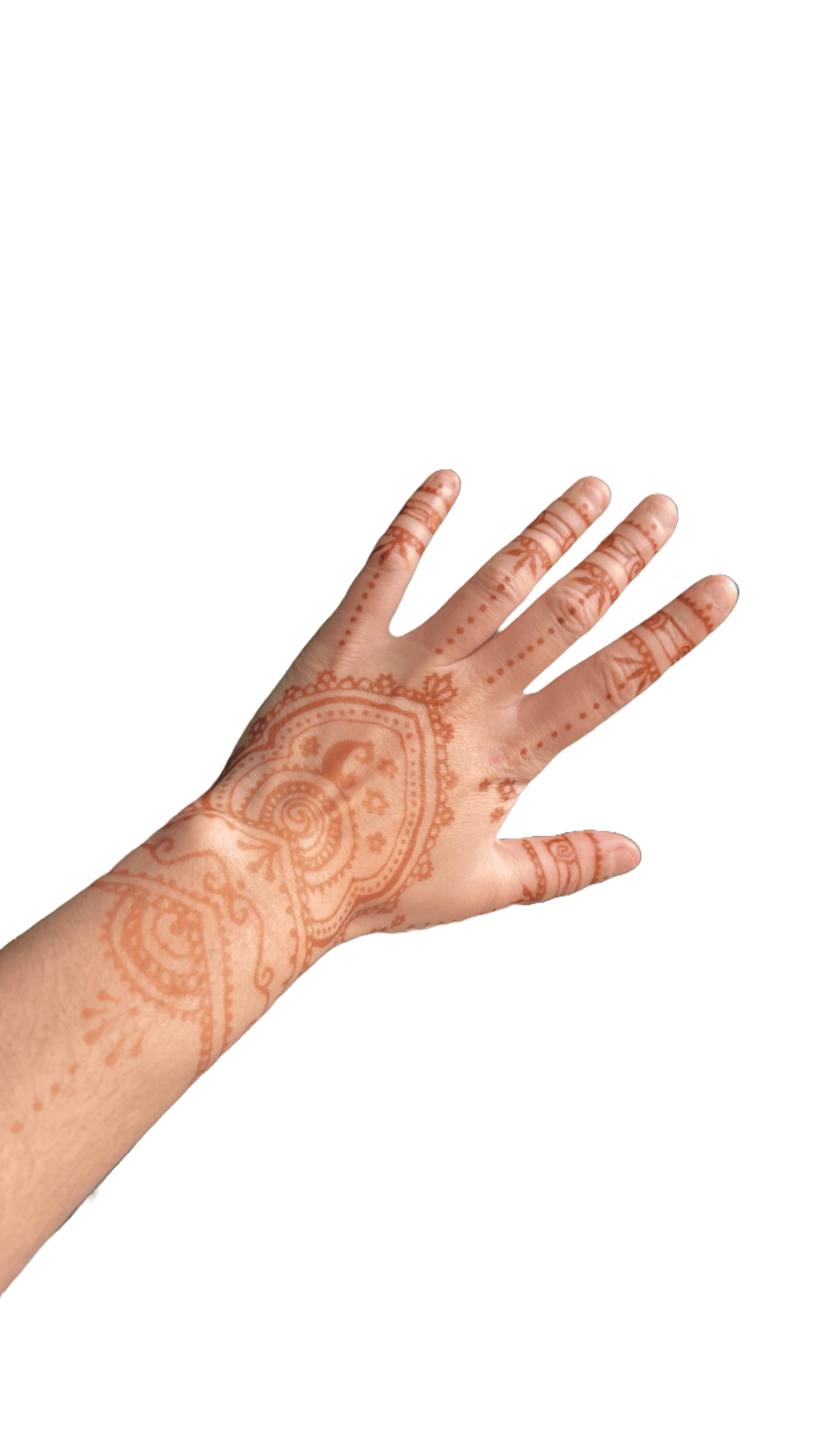
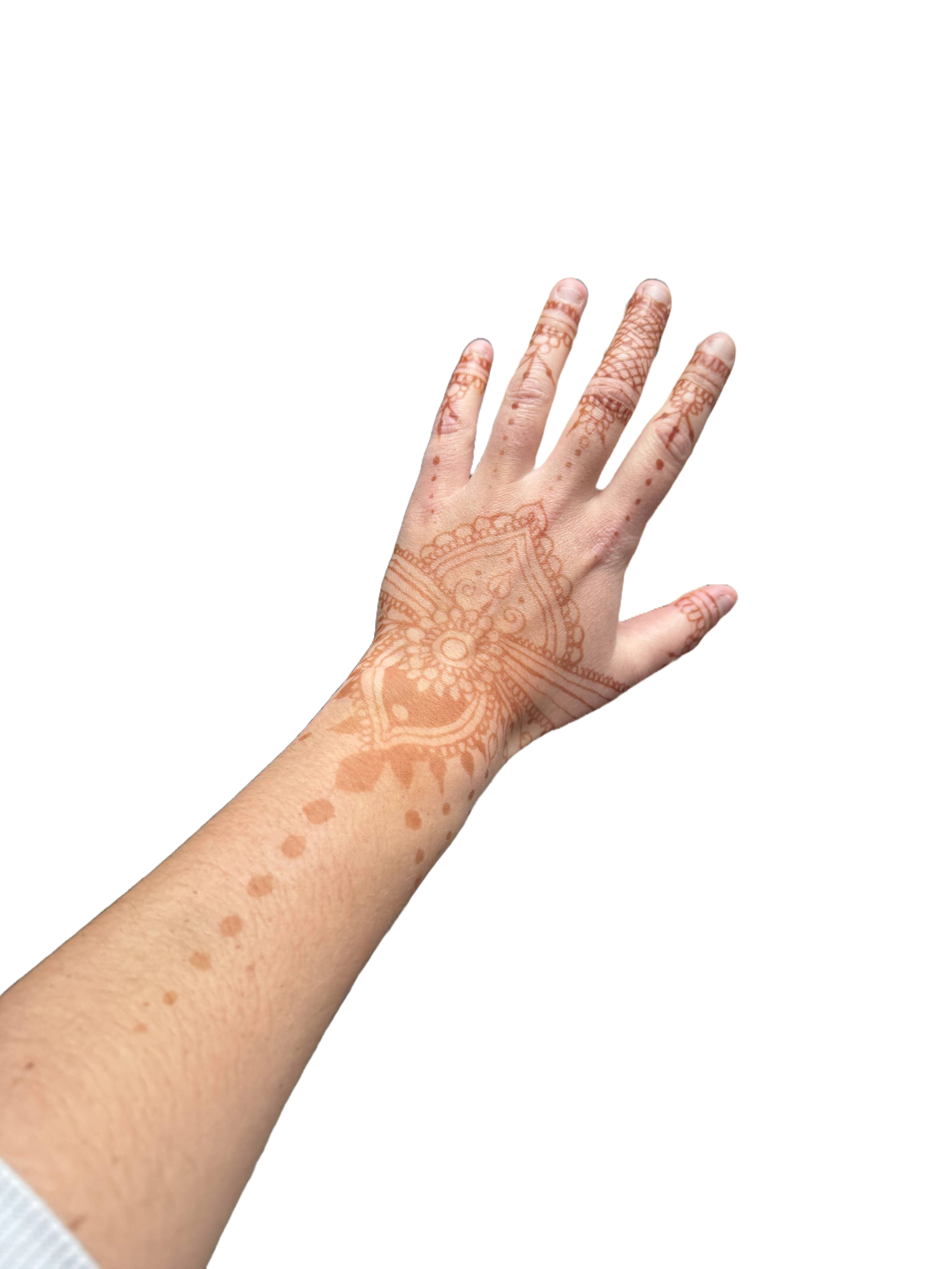
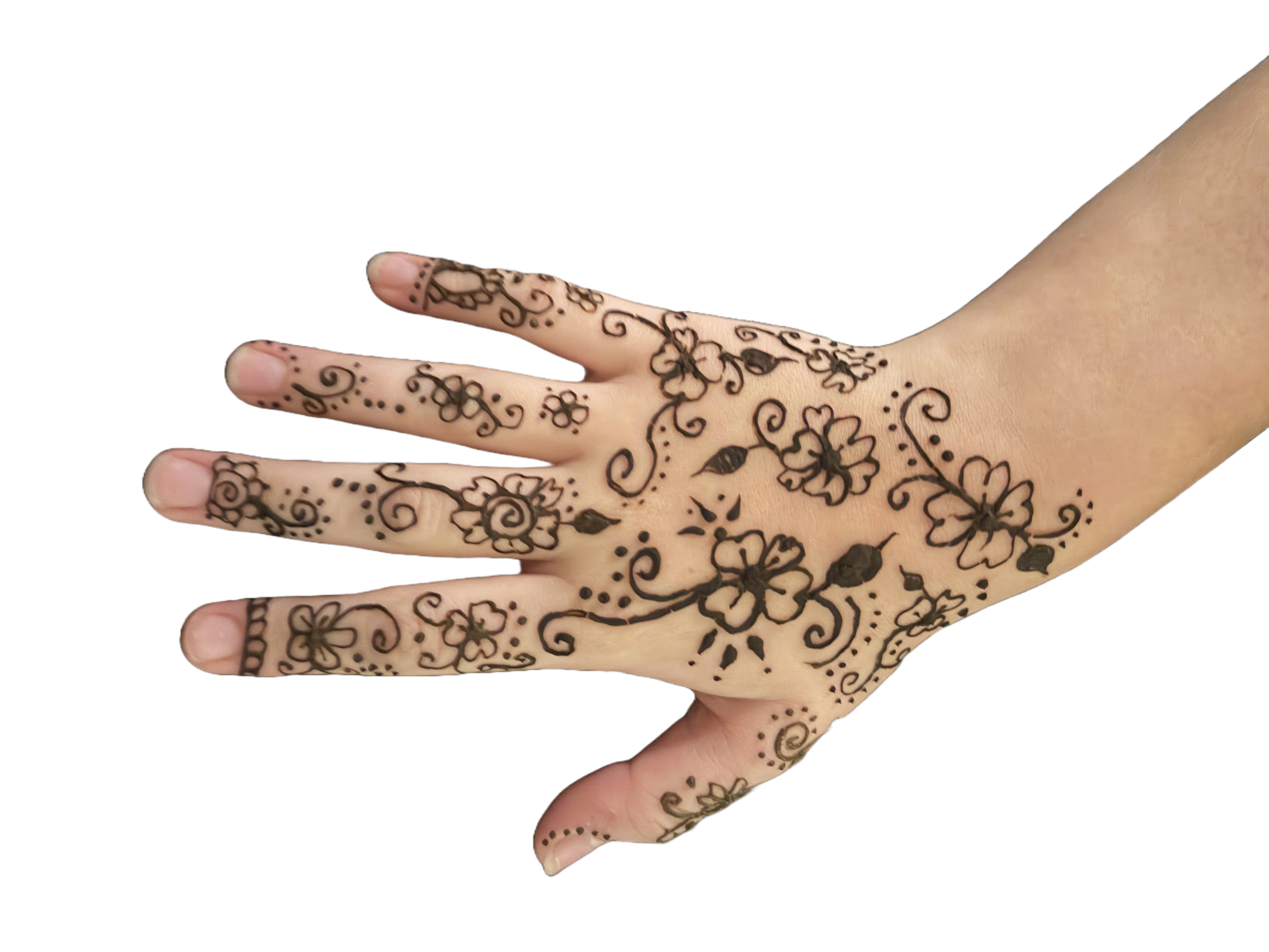
From temporary body art to hair dye and conditioning, as well as cultural and religious rituals and traditional practices, henna (mehndi) provides a unique and meaningful way to express culture and creativity.
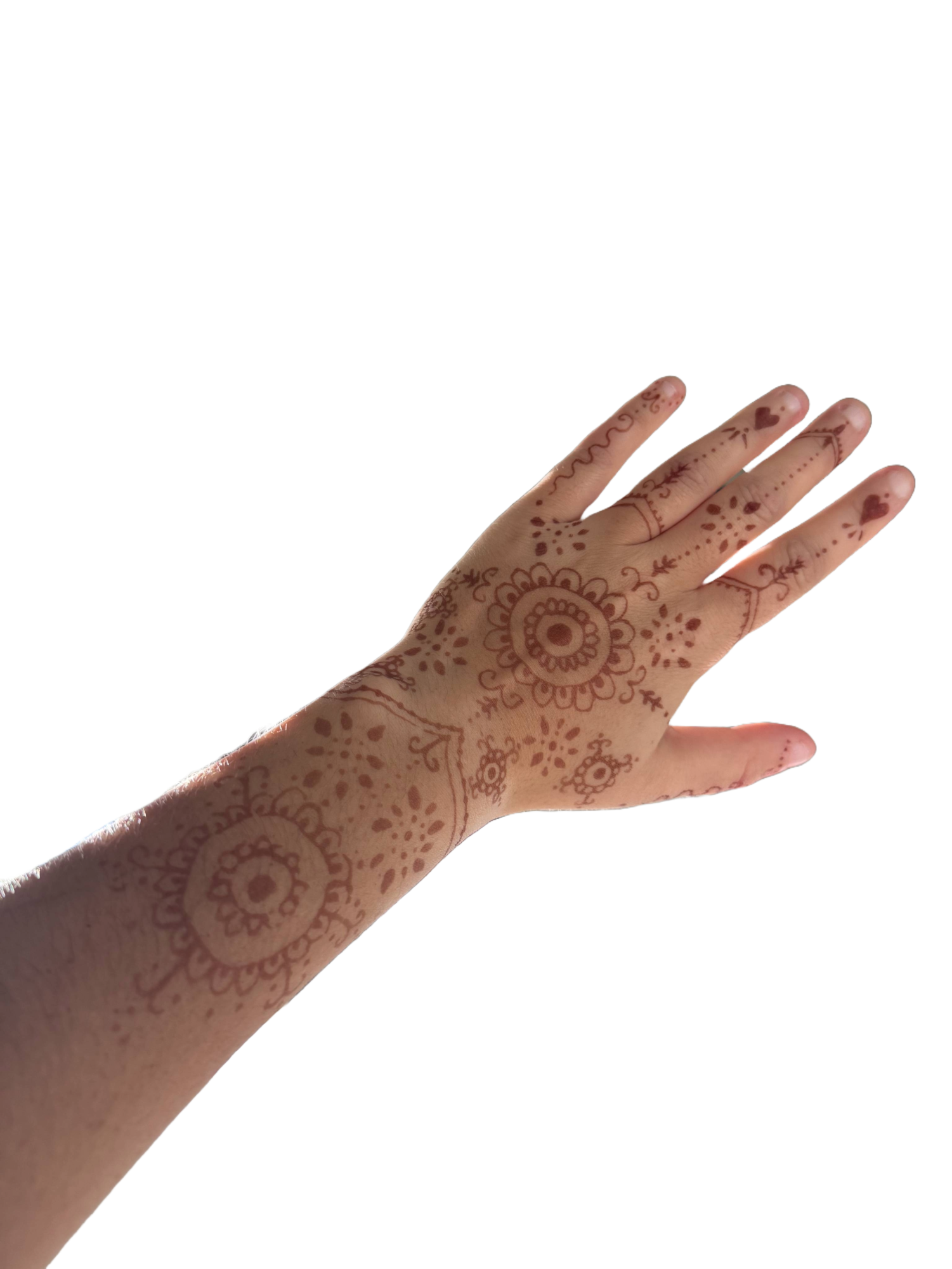
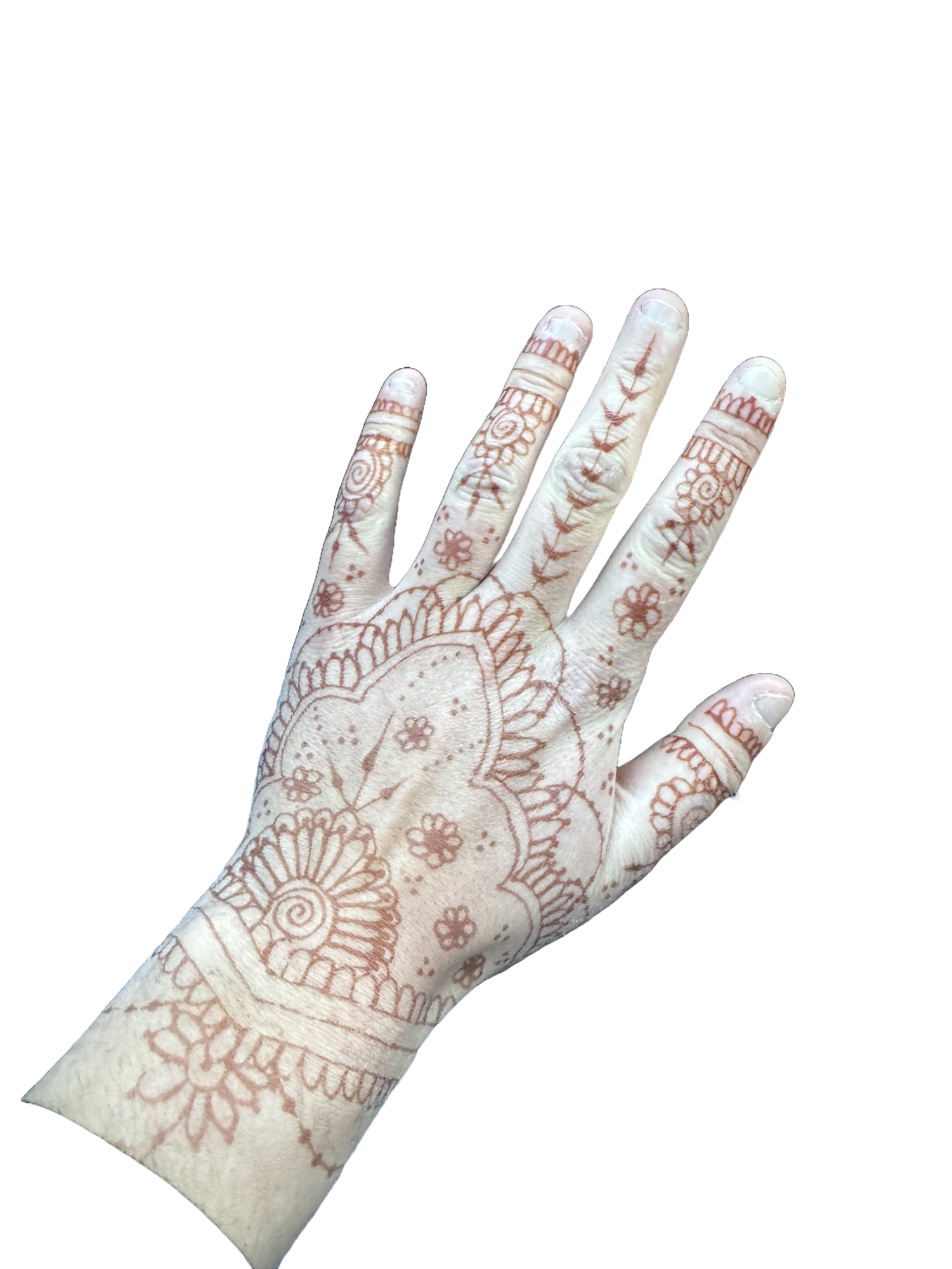
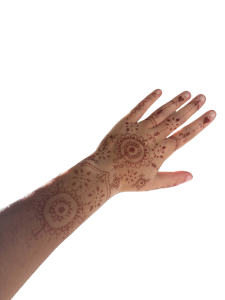
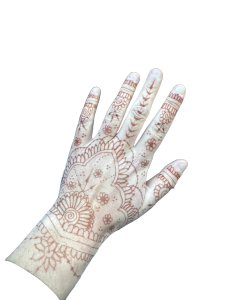
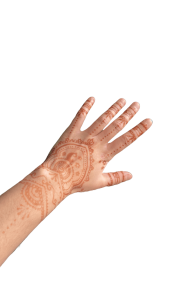
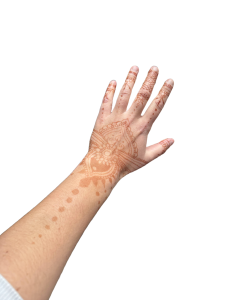
When I got my first real henna done, I was on a beach in Mexico and was completely enamored by it. Until then, I had only had henna that was done by my friends and so it was not very intricate or culturally accurate. A few years later, I decided to teach myself how to do it so that I could have beautiful henna on my hands all the time. Pinterest photos and Youtube clips helped me learn the art of mehndi, and I soon became pretty good at it. I enjoy having it on my hands because it provides a temporary tattoo, and I always get compliments from people or it becomes a conversation point because you don’t see it very often.
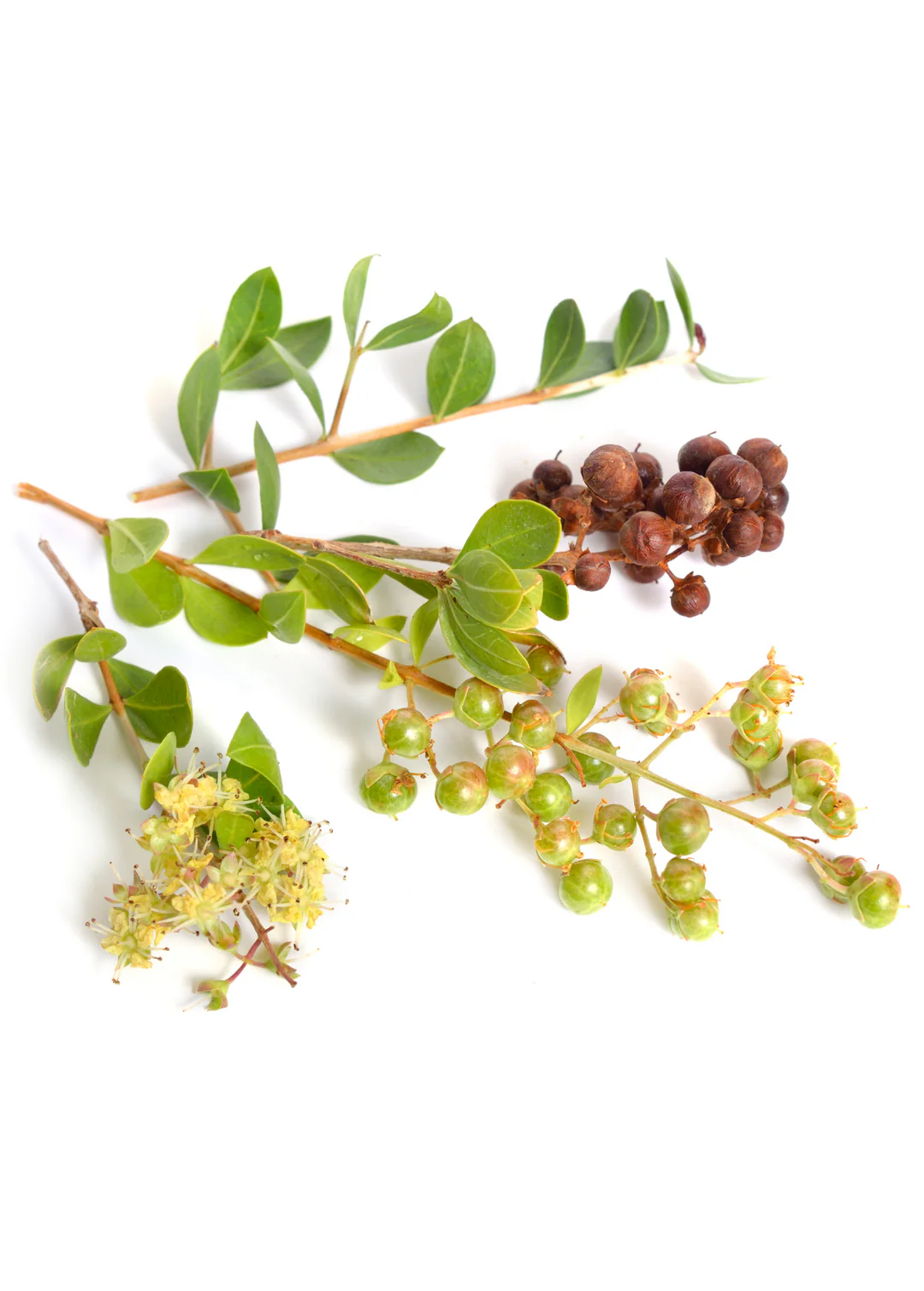
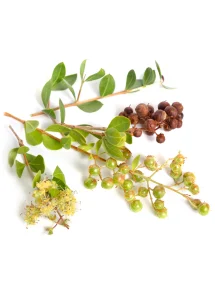
Derived from the “Lawsonia inermis” plant, the leaves are dried and ground into a fine powder, which is then mixed with an acidic liquid or water to create a reddish brown paste. The acidic substances help release the lawsone pigment, which is the component that stains the skin. Essential oils can also help improve the dye’s color and intensity, and sugar is sometimes added to improve the consistency of the paste and help it adhere better to the skin.
The next part of the process is called the dye release stage, where the paste sits for anywhere between 12–24 hours. During this time, the dye is released and a change in color on the surface of the paste helps indicate whether it is ready. Finally, the last part of the process is the straining and coning stage, where the paste is strained to remove any debris and then placed into cones, making it ready to be applied to the skin.
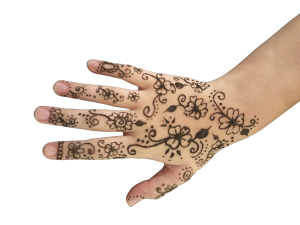
When applying henna, it is important to have clean dry skin so that it will stick well and be able to stain your skin. There are thousands of designs available online; Pinterest always has a large variety of beginner to complex designs that can be followed. For the best results, it is best to leave henna on for 1-8 hours or even overnight so that it can leave a nice dark stain. Depending on skin type and where the henna was done, it can last upwards of a week. The stain will be the darkest on the palms of hands and the soles of feet and can last up to 4 weeks.
For over 5,000 years, henna has been used in Pakistan, India, Africa and the Middle East. According to St. Thomas University, it was “originally used for its natural cooling properties for the people living in hot desert climates. A paste would be made, in which the palms of hands and soles of feet would be soaked. It was also used for medicinal purposes and applied to the skin to treat such ailments as stomach aches, burns, headache and open wounds.”
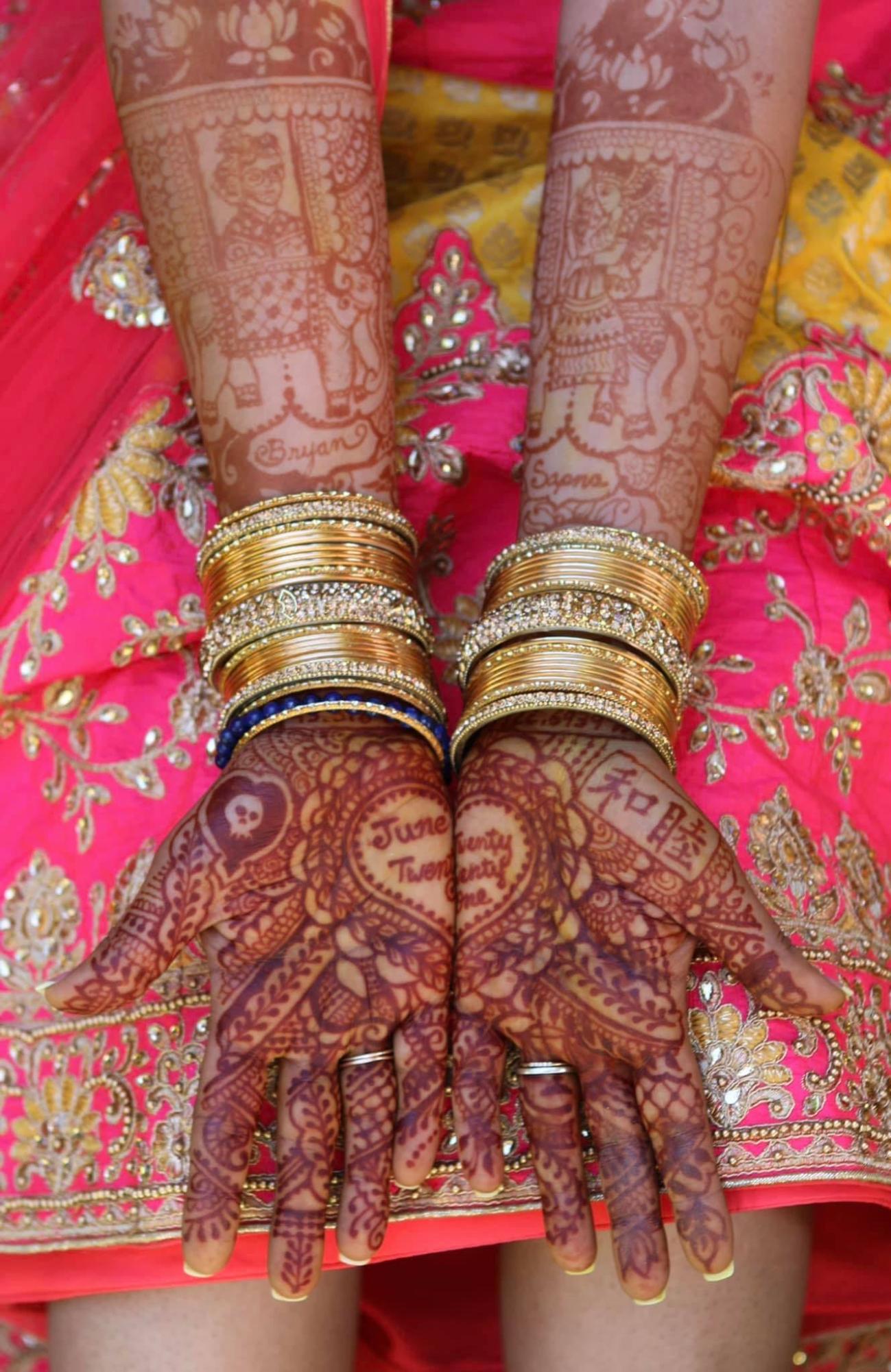
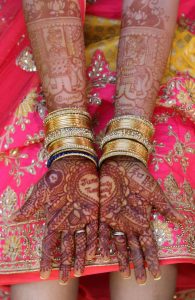
Modern day, one of the most common uses for henna is for weddings and cultural celebrations. In Indian culture, there is a Mendhi ceremony that is held the night before a wedding to wish the bride good health and prosperity as she embarks on her marriage journey. During the ceremony the bride’s family brings together the female components of each side of the family and applies henna to her hands and feet. According to Lin and Jirsa’s guide to mehndi, “the core significance of applying Mehndi is to utilize its natural medicinal herbal remedies, cooling the body and relieving the Bride of any stress before her big day.” In Indian tradition, it is believed that the darker the bride’s henna is, the more her husband will love her and the happier their marriage will be.
As henna continues to evolve in modern society, it remains a powerful symbol of cultural expression, blending ancient tradition with contemporary creativity.
